


Can people with hyperuricemia and gout eat walnuts?

Individuals with elevated uric acid levels must pay special attention to their diet and should avoid foods high in purines—such as shrimp, fish, and shellfish.
Can individuals with hyperuricemia or gout consume walnuts?
Patients with gout and elevated uric acid levels are advised to limit walnut intake. Walnuts are classified as a moderate-purine food; excessive consumption may further elevate serum uric acid levels and hinder effective control. Moreover, walnuts are high in fat, which may contribute to obesity and hyperlipidemia in gout patients. Given the elevated uric acid levels, patients should strictly regulate dietary composition and adjust lifestyle habits accordingly. A low-purine diet is strongly recommended, along with abstinence from alcohol, weight management, regular physical activity, and increased water intake.

Additionally, uric acid–lowering medications—including allopurinol, febuxostat, and benzbromarone—may be prescribed. Patients should select only one of these agents under the guidance of a physician. Most gout patients undergoing this comprehensive treatment approach achieve serum uric acid levels below 360 µmol/L, thereby reducing the frequency of gouty arthritis attacks and preventing progression to chronic gout.
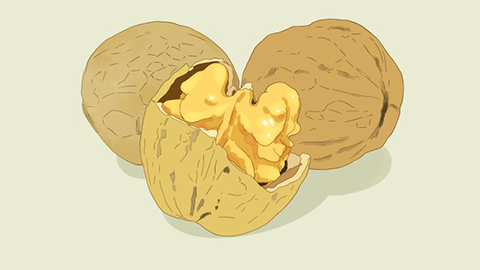
However, due to their high fat content, walnuts may adversely affect lipid profiles—particularly in patients with hyperuricemia who often also have comorbid obesity and hyperlipidemia. Excessive walnut consumption should therefore be avoided.


