


Which Foods Should Be Avoided in Fatty Liver Disease?

Fatty liver disease is a common condition. Patients who consume diets high in greasy foods and who are generally overweight are at increased risk of developing fatty liver disease. So, which foods should individuals with fatty liver disease avoid?
Foods to Avoid with Fatty Liver Disease
Individuals with fatty liver disease should avoid greasy, fried, spicy, highly stimulating, high-fat, and high-cholesterol foods—such as fatty cuts of meat and butter. They must also avoid dried fruits, nuts, and organ meats (e.g., liver, kidney). Additionally, high-sugar foods—including chocolate and candy—should be strictly limited. Fresh vegetables and fruits should be consumed regularly. Fatty liver disease primarily results from excessive intake of fats and cholesterol, leading to lipid accumulation in the liver. Therefore, to effectively slow disease progression, intake of such foods must be significantly reduced.
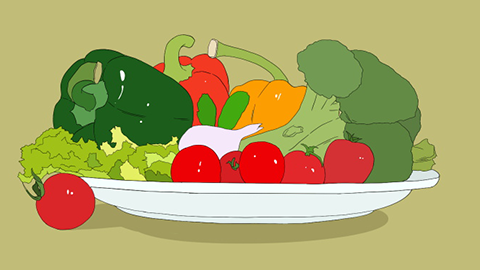
Patients with fatty liver disease may also benefit from consuming ample fresh leafy green vegetables and various soy-based products. These foods exert minimal irritation on the liver while nourishing the body and offering hepatoprotective effects. In addition to dietary control, patients must adhere to prescribed medications and undergo regular hospital follow-ups for timely medication adjustments based on clinical progress. During treatment, it is advisable to maintain a regular sleep schedule—going to bed early and rising early—and to drink plenty of warm water.

In the initial phase of management, alongside dietary modifications, patients should actively cooperate with their physicians regarding pharmacological therapy and attend scheduled hospital follow-up visits. Medication regimens may be adjusted—increased or otherwise—based on recovery status. Throughout treatment, comfort and well-being should be prioritized. We hope this information proves helpful to you!


