


Can people with high uric acid levels eat pork liver?

Pork liver refers to the liver of pigs. The liver is a vital organ in animals responsible for nutrient storage and detoxification, and it contains abundant nutrients, making it an ideal food for replenishing blood. However, for individuals with hyperuricemia (elevated uric acid levels), can they consume pork liver?
Can individuals with elevated uric acid consume pork liver?
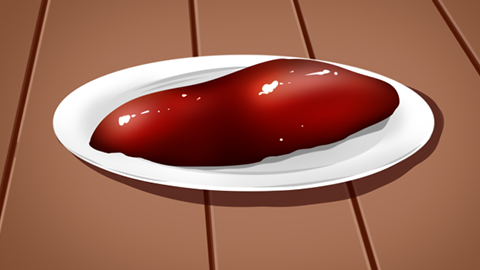
Patients are generally advised against consuming pork liver or pork kidneys. Dietary management is the cornerstone of treatment for hyperuricemia, and the first principle of dietary therapy is adherence to a low-purine diet. Pork liver and pork kidneys are high-purine foods; thus, their consumption is relatively contraindicated in hyperuricemia management. Therefore, patients with hyperuricemia should avoid eating pork liver and pork kidneys. When uric acid levels are elevated, attention to diet is essential—high-purine foods should be minimized. Additionally, drinking moderate amounts of warm water may help promote uric acid excretion and assist in controlling serum uric acid levels.
When uric acid levels are elevated, patients should consult their physician to select appropriate uric acid–lowering medications, such as propranolol or benzbromarone. Other agents—including xanthine oxidase inhibitors (e.g., allopurinol, febuxostat) and non-sulfa uricosurics—may also be used to suppress uric acid production. Regular physical exercise, weight control, and reduction of joint stress are recommended in daily life. Smoking and alcohol consumption should be avoided. A strict low-purine diet is essential: animal offal (e.g., pork liver) must be avoided, and concentrated meat broths should not be consumed.

Numerous other foods are also high in purines. Seafood and beer, for example, contain particularly high purine levels and should therefore be strictly limited or avoided entirely. Furthermore, beverages containing fructose can elevate serum uric acid levels and hinder effective disease management; thus, these should also be avoided. We hope this information proves helpful to you!


