


Can people with gout eat pork stomach?

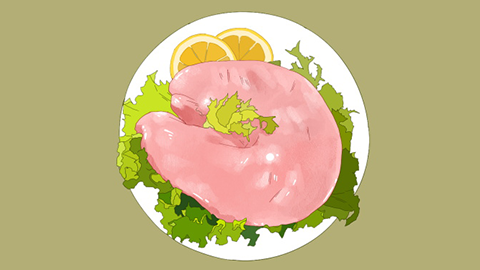
Pig stomach (zhūdù), the stomach of the domestic pig (*Sus scrofa domesticus*), is traditionally used in Chinese medicine to treat deficiency-related syndromes characterized by physical weakness and chronic diarrhea. It is also highly palatable and widely enjoyed as a food. Some individuals with gout likewise wish to consume pig stomach occasionally to diversify their diet. But can people with gout safely eat pig stomach?
Can people with gout eat pig stomach?
People with gout are generally advised to avoid consuming pig stomach. One primary underlying cause of gout is hyperuricemia—elevated serum uric acid levels—which often results from excessive intake of high-purine foods. Therefore, gout management requires strict avoidance of high-purine foods and preference for low-purine alternatives. Foods richest in purines include animal organ meats—such as brain, liver, kidneys, and spleen—as well as fish, shellfish, sardines, anchovies, and meat broths.

Pig stomach is an exceptionally high-purine food. Long-term consumption may lead to purine overload, resulting in metabolic disturbances, elevated uric acid production, and consequent hyperuricemia. Fluctuations and increases in serum uric acid levels can trigger acute gout attacks; thus, pig stomach should be avoided. Additionally, patients with gout should promptly initiate uric acid–lowering pharmacotherapy under medical supervision. This helps maintain serum uric acid within the target therapeutic range, reduces the frequency of gouty arthritis flares, and ensures that gout remains a controllable condition—allowing patients to maintain normal daily life and occupational functioning following effective treatment.
Furthermore, individuals experiencing gout symptoms should seek timely medical evaluation at a hospital and follow evidence-based management strategies guided by healthcare professionals. We hope this information is helpful to you!


