What are the normal values for lipoproteins?
May 22, 2022
Source: Cainiu Health

Dr. Li Man
Introduction
An HDL cholesterol level above 1.0 mmol/L indicates normal values. A decrease in HDL cholesterol signifies loss of its protective effect on the body—its adverse impact is comparable to that of elevated LDL cholesterol. HDL cholesterol, triglyceride, and LDL cholesterol levels.
High-density lipoprotein (HDL) is one of the serum proteins, primarily synthesized by the liver, and serves as a protective factor against coronary heart disease. Generally speaking, elevated HDL levels are beneficial to health; however, higher is not always better—optimal HDL levels should be maintained within the normal reference range. So, what constitutes the normal range for lipoproteins?
What Is the Normal Range for Lipoproteins?
An HDL cholesterol level above 1.0 mmol/L is considered normal. A reduction in HDL cholesterol indicates loss of its protective effect on the body—its clinical significance is comparable to that of elevated low-density lipoprotein (LDL) cholesterol. Routinely, clinical lipid profile monitoring includes measurements of total cholesterol, HDL cholesterol, triglycerides, and LDL cholesterol.
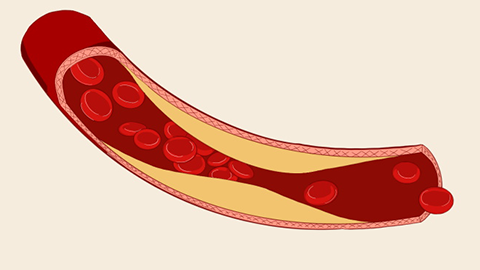
Among these, LDL cholesterol contributes to numerous adverse effects, whereas HDL cholesterol exerts beneficial effects. Specifically, LDL cholesterol promotes atherosclerosis and formation of lipid plaques, while HDL cholesterol protects arterial walls and helps prevent atherosclerotic development. Therefore, in clinical practice, interventions targeting total cholesterol and LDL cholesterol levels are guided by individual cardiovascular risk stratification, aiming to reduce these parameters to below their respective target thresholds.
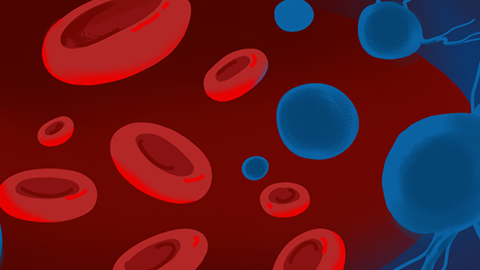
Additionally, triglyceride levels require intervention, and strategies to elevate HDL cholesterol levels are also recommended. However, effective pharmacological options remain limited; currently, physical exercise is widely recognized as an effective non-pharmacologic means to raise HDL cholesterol. We hope this response has been helpful!