


Is hepatitis B virus contagious?
May 23, 2022
Source: Cainiu Health

Dr. Jiang Weimin
Introduction
Hepatitis B is contagious. The hepatitis B virus (HBV) can be transmitted through close-contact sexual activity, blood exposure, and mother-to-child transmission. If a mother has hepatitis B, her baby is at high risk of infection during childbirth due to potential exposure to maternal blood or bodily fluids; therefore, infants must receive the hepatitis B vaccine shortly after birth. Bloodborne transmission may also occur in unhygienic blood transfusion settings.
Hepatitis B—many people are familiar with this condition. Some claim that the hepatitis B virus (HBV) is contagious, while others believe it is not. So, is HBV actually transmissible?
Is the Hepatitis B Virus Transmissible?
Yes, hepatitis B is an infectious disease. HBV can be transmitted through several routes: sexual contact involving close physical intimacy; exposure to infected blood; and mother-to-child transmission (perinatal transmission). If a mother has chronic HBV infection, her newborn is at high risk of contracting the virus during delivery—especially under certain circumstances. Therefore, infants should receive the hepatitis B vaccine immediately after birth. Additionally, bloodborne transmission may occur in unsanitary blood transfusion settings.
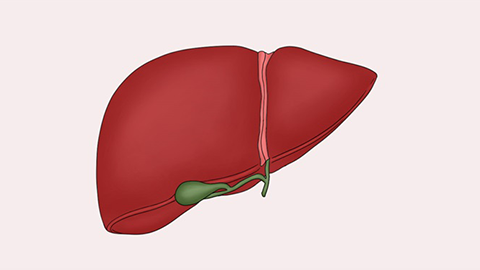
Hepatitis B is caused by infection with the hepatitis B virus. Consequently, current treatment strategies primarily focus on developing antiviral agents. Although numerous antiviral drugs are available for HBV management, most exhibit comparable efficacy, and no major therapeutic breakthroughs have yet been achieved. Nevertheless, these antiviral medications enable effective clinical control for the majority of patients. Thus, seeking care at a reputable hospital ensures access to appropriate, standardized treatment.
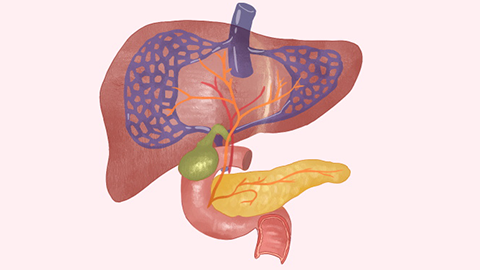
To prevent HBV infection, individuals should adopt sound hygiene practices: avoid sharing personal items such as toothbrushes, face towels, foot files, or razors. Wash hands thoroughly after contact with infected individuals, and avoid unprotected exposure to persons who test positive for HBV or are asymptomatic carriers. We hope this information proves helpful to you.


