


Is hepatitis B contagious?

After entering the human body via a specific route, pathogens trigger a series of pathological symptoms. Different pathogens elicit distinct pathological responses, resulting in varied clinical manifestations among patients—hence the existence of various types of infectious diseases. So, is hepatitis B contagious?
Is Hepatitis B Contagious?
Hepatitis B is indeed contagious and represents a serious chronic infectious disease posing a significant threat to public health. It can be transmitted through perinatal (mother-to-child), bloodborne, and sexual routes. Most hepatitis B infections occur due to perinatal transmission at birth. Therefore, in daily life, working or studying alongside individuals who carry the hepatitis B virus (HBV) does not pose a risk of infection, as HBV is not transmitted via casual contact, the respiratory tract, or the gastrointestinal tract.
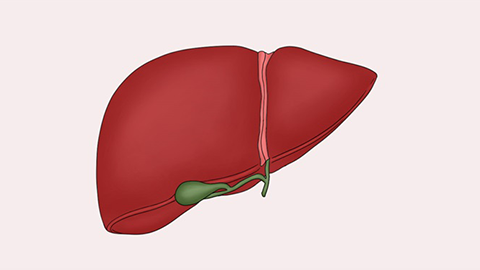
Sexual partners of HBV carriers may acquire infection through sexual transmission; thus, vaccination against hepatitis B is strongly recommended for such partners. HBV carriers themselves should undergo regular liver function examinations. If active hepatitis is detected during screening, oral antiviral therapy is required. Following effective antiviral treatment, HBV DNA levels often become undetectable (“turn negative”), significantly reducing infectivity.
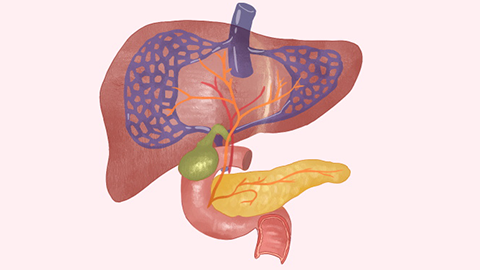
Preventive measures against hepatitis B include maintaining good hygiene practices—avoid sharing personal items such as toothbrushes, towels, foot files, or razors. Always wash hands thoroughly after contact with infected individuals. Refrain from unprotected sexual contact with individuals testing positive for HBV or known carriers. Seek diagnosis and treatment exclusively at reputable medical institutions. We hope this information proves helpful to you!


