


What Is the Normal Blood Pressure Range for a 50-Year-Old Man?

The term “normal blood pressure” generally refers to the standard, healthy range of blood pressure values. Knowing the normal blood pressure ranges for different age groups helps modern individuals monitor their own blood pressure regularly, detect hypertension early, and initiate timely treatment. So, what is the normal blood pressure for a 50-year-old man?
What Is the Normal Blood Pressure for a 50-Year-Old Man?
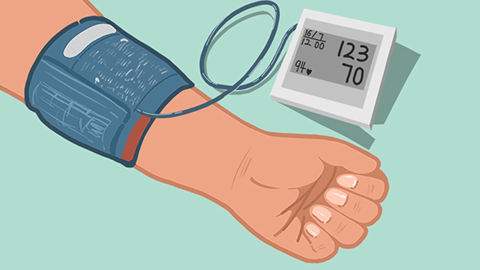
The normal blood pressure for a 50-year-old man is 120/80 mmHg. Blood pressure typically refers to systemic arterial pressure. Hypertension is diagnosed when blood pressure exceeds 140/90 mmHg, while hypotension is diagnosed when it falls below 90/60 mmHg. The normal blood pressure range varies with age: for adults under 35 years old, the normal value is approximately 115/75 mmHg; for those aged 35–65, it is around 120/80 mmHg; and for individuals over 65, a blood pressure of up to 140/90 mmHg is generally considered acceptable.
In addition to age, blood pressure control is also influenced by the presence of diseases affecting blood pressure regulation. Conditions such as nephritis, renal vascular disease, diabetes mellitus, hyperlipidemia, or elevated intracranial pressure may lead to increased blood pressure. For example, in patients with diabetes, the target blood pressure should not exceed 130/80 mmHg.
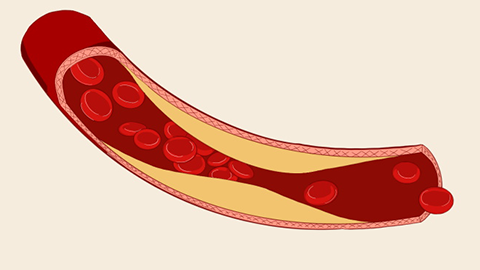
Normal blood pressure exists within a defined range that ensures adequate organ perfusion while exerting minimal stress on the vessel walls. When blood pressure consistently exceeds this range, prolonged elevated pressure on the arterial walls can induce pathological changes—such as accelerated atherosclerosis and arterial stiffening or narrowing. Conversely, blood pressure falling below a certain threshold may result in inadequate organ perfusion. We hope this information has been helpful to you. Wishing you good health and happiness!


