


Normal Blood Pressure Range for a 13-Year-Old Boy

With improvements in living standards, an increasing number of people are experiencing high blood pressure. While hypertension has traditionally been more common among middle-aged and elderly individuals, it is now increasingly observed among younger populations—including adolescents. Not only does it harm physical health, but it also adversely affects daily life and academic performance. Understanding this condition is essential for effective prevention and treatment. So, what is the normal blood pressure range for a 13-year-old boy?
Normal Blood Pressure Range for a 13-Year-Old Boy
The typical blood pressure for a 13-year-old child is approximately 105/70 mmHg. Measurements should be taken three times under identical conditions, with the average value used as the reference. If abnormal readings occur, medical evaluation is necessary to identify underlying causes and initiate timely intervention. As a general guideline, a child’s normal systolic blood pressure may be estimated by multiplying their age by 2.8 (e.g., 13 × 2.8 ≈ 36.4, then adding 70 mmHg baseline—yielding ~105 mmHg); diastolic pressure is typically about two-thirds of systolic pressure, or roughly 70 mmHg. Thus, the normal blood pressure for a 13-year-old is generally considered to be around 105/70 mmHg—though individual variation exists. In addition to age, blood pressure assessment in children must account for sex and height, and blood pressure tends to rise gradually with age.
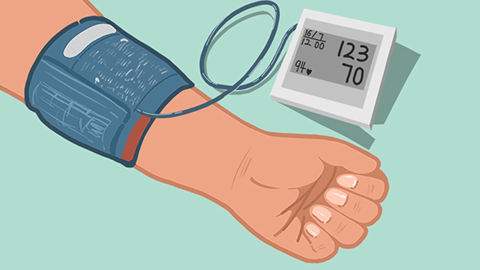
Typically, a diagnosis of hypertension is made when both the average systolic and diastolic pressures—based on three separate measurements—exceed the 95th percentile for children of the same age, sex, and height. For example, systolic pressure above 130 mmHg and diastolic pressure above 90 mmHg would meet this criterion. Untreated hypertension may lead to serious complications such as blurred vision, seizures, or aphasia. Currently, no universally accepted diagnostic criteria exist for hypotension in children; however, a systolic pressure below 90 mmHg and/or a diastolic pressure below 60 mmHg is commonly used as a practical threshold for diagnosing low blood pressure.

In daily life, avoid spicy and irritating foods, drink plenty of water to support metabolic function, and engage in appropriate outdoor physical activity to strengthen immunity. We hope this information is helpful to you!


