


Normal Blood Pressure Range for a 15-Year-Old Boy

With improvements in living standards, an increasing number of people are experiencing high blood pressure. While hypertension has traditionally been associated with middle-aged and older adults, it is now becoming increasingly prevalent among younger individuals. This not only harms physical health but also adversely affects daily life and academic performance. Understanding the condition is essential for effective prevention and treatment. So, what is the normal blood pressure range for a 15-year-old boy?
Normal Blood Pressure Range for a 15-Year-Old Boy
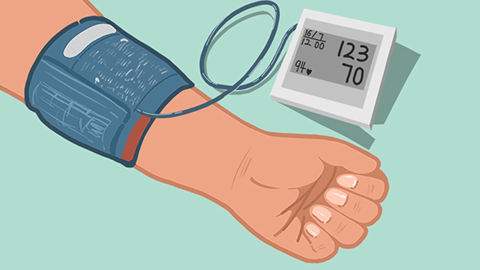
At age 15, an individual is not yet an adult. The standard blood pressure thresholds (e.g., ≥140/90 mmHg indicating hypertension) generally apply to adults aged 18 years and older. However, at age 15—during adolescence—blood pressure is typically assessed using general population reference values. Specifically, a reading of ≥140/90 mmHg is classified as hypertension; 120/80 mmHg is considered optimal blood pressure; and readings between 120–139 mmHg systolic and/or 80–89 mmHg diastolic fall into a “gray zone,” representing high-normal blood pressure. Within this gray zone, blood pressure may be trending upward or could be misclassified as normal when, in fact, it is elevated—i.e., not fully within the normal range. Therefore, for both 15-year-old boys and girls, normal blood pressure should remain below 120/80 mmHg.

Adopting positive lifestyle modifications is crucial: maintain regular sleep-wake cycles, ensure adequate sleep, avoid staying up late, manage emotional stress, and prevent excessive physical fatigue and mental tension. For individuals with hypertension, lifestyle recommendations include smoking cessation, alcohol moderation, weight management, sodium restriction, and increased intake of potassium-rich fruits and vegetables.
In daily life, avoid spicy and irritating foods, drink plenty of water to support metabolic function, and engage in appropriate outdoor physical activity to strengthen immunity. We hope this information proves helpful!


