


What should I do if my child has nasal congestion due to rhinitis?

During growth and development, children have relatively weak immune systems, making them more susceptible to various physical illnesses. Nasal congestion due to rhinitis is a relatively common condition in children and can significantly disrupt normal sleep patterns—posing serious risks to their overall health. So, what should be done when a child experiences nasal congestion caused by rhinitis?
How to manage nasal congestion in children with rhinitis
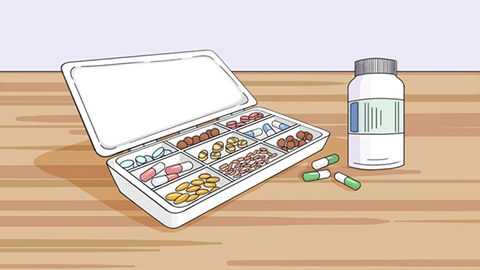
Children experiencing nasal congestion should first seek appropriate medical treatment at a reputable hospital. Antihistamines effectively alleviate symptoms such as nasal itching, sneezing, and rhinorrhea, but they provide minimal relief for nasal obstruction. Decongestants—also known as vasoconstrictors—are typically administered only as topical nasal sprays or drops. Commonly used agents include ephedrine-based nasal sprays; however, prolonged use may cause adverse effects, so extended application is not recommended. Anticholinergic agents such as atropine can rapidly and effectively relieve nasal congestion, yet long-term use is also discouraged.
For children with rhinitis-related nasal congestion, gentle massage can serve as a safe and effective complementary approach. The child may lie supine or sit upright. Parents can use the thumb to gently push the *Tangyin* acupoint for one minute; use the index finger to rotate and press the *Yingxiang* acupoint for one to three minutes; use the middle finger to briskly rub both sides of the nasal alae for one to three minutes—until a mild warming sensation is felt locally; and finally, pinch the bilateral *Hegu* acupoints for one minute.
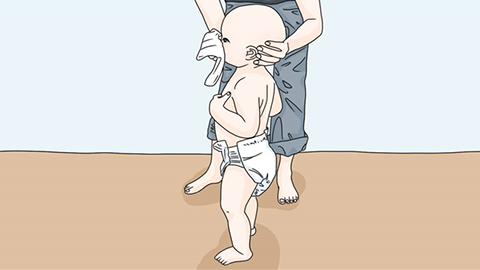
Prevention remains essential for managing rhinitis-induced nasal congestion in children. Measures include eliminating indoor dust mites, regularly washing bedding in hot water, and sun-drying items for disinfection. Maintain indoor dryness and adequate ventilation, minimize indoor plant cultivation, and avoid keeping or coming into contact with pets. Encourage healthy lifestyle habits, such as wearing masks outdoors and thoroughly cleaning hands upon returning home. We hope this information proves helpful!


