


Can people with gout consume whey protein powder?
May 24, 2022
Source: Cainiu Health

Dr. Liu Aihua
Introduction
Patients with gout may consume protein powder in moderation; however, if their diet is nutritionally adequate, protein supplementation is generally unnecessary. Protein powder is primarily intended for patients with malnutrition—particularly those with hypoproteinemia—and is commonly used in individuals who are physically frail, recovering from serious illness, or undergoing postoperative recovery. Gout is a disease caused by elevated uric acid levels in the blood.
Protein powder is a highly nutritious health supplement, and many people give it as a gift. However, it is commonly believed that some gout patients should avoid consuming protein powder. So, can individuals with gout take protein powder?
Can individuals with gout consume protein powder?
Individuals with gout may consume protein powder in moderation; however, if their diet is nutritionally balanced, supplementation with protein powder is generally unnecessary. Protein powder is primarily intended for patients with malnutrition—particularly those with hypoproteinemia—and is frequently used in clinical settings for individuals who are physically frail, recovering from major illness, or undergoing postoperative rehabilitation.
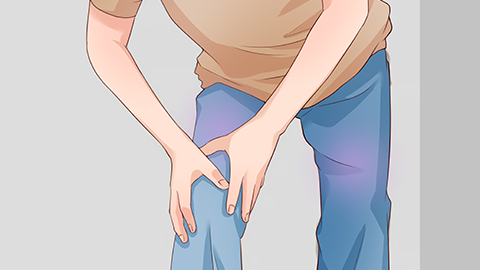
Gout, however, is a group of disorders caused by purine metabolism abnormalities leading to elevated serum uric acid levels. Patients who are obese or have access to abundant, high-calorie diets are at higher risk of developing gout. Consequently, malnutrition is uncommon among gout patients; instead, they often present with comorbidities such as hyperlipidemia, diabetes mellitus, hypertension, coronary artery disease, and atherosclerosis.
Patients with gout are advised to follow a light, low-purine diet and consume alkaline foods or beverages, such as fresh fruits, vegetables, fruit juices, eggs, and milk. Grains—including rice, wheat, and sweet potatoes—are also suitable, as they contain negligible amounts of purines. Additionally, regular physical activity, adequate hydration, and consistent, effective pharmacotherapy are essential components of gout management. We hope this information proves helpful!



