


Is hepatitis B “small three positives” contagious?

Many people are familiar with hepatitis B, a disease commonly referred to as “Big Three Positives” or “Small Three Positives.” So, is “Small Three Positives” hepatitis B contagious?
Is “Small Three Positives” Hepatitis B Contagious?
“Small Three Positives” hepatitis B is generally contagious. This term typically refers to individuals who are chronic carriers of the hepatitis B virus (HBV). HBV transmission occurs primarily through three routes: mother-to-child (vertical) transmission, bloodborne transmission, and sexual transmission. An HBV-infected pregnant woman may transmit the virus to her newborn during delivery via the birth canal. Fortunately, appropriate preventive measures—such as timely administration of hepatitis B immune globulin (HBIG) and hepatitis B vaccine to the newborn—can significantly reduce the risk of vertical transmission. Infection can also occur following transfusion of blood products contaminated with HBV. Currently, routine screening for HBV is performed prior to blood transfusion to prevent bloodborne transmission.
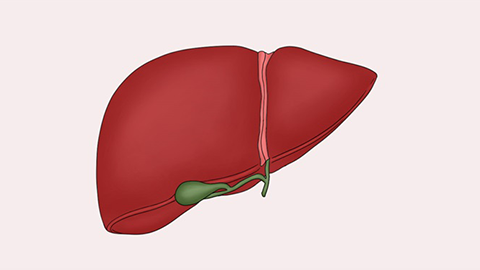
If hepatitis B persists over a long duration, some patients may progress to cirrhosis and even hepatocellular carcinoma (HCC). As cirrhosis advances, various complications may arise—including gastrointestinal bleeding, hepatic encephalopathy, ascites, hypoalbuminemia, spontaneous bacterial peritonitis, and hepatorenal syndrome. Once these complications develop, treatment becomes more challenging and costly, and patients’ quality of life is significantly impaired.
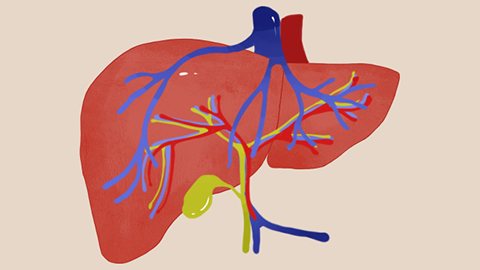
Since hepatitis B is not transmitted via the gastrointestinal or respiratory tracts, everyday contact—such as handshaking, hugging, or working alongside an HBV carrier—does not pose a risk of infection. The most effective method for preventing hepatitis B infection is vaccination with the hepatitis B vaccine. We hope this information has been helpful!


