


How is sinusitis treated in children?
May 24, 2022
Source: Cainiu Health

Dr. Guo Xiheng
Introduction
In children, sinusitis is primarily treated with medications, including the following options:
- For acute sinusitis caused by the common cold, oral antibiotics such as amoxicillin or amoxicillin-clavulanate may be prescribed.
- Oral traditional Chinese medicine (TCM) formulations for rhinitis—e.g., Tongqiao Biyan Capsules—may also be used.
- Mucolytic and mucokinetic agents that promote sinus drainage—e.g., Eucalyptus-Citrus-Pinene Enteric-Coated Soft Capsules—may be administered.
In daily life, many people suffer from sinusitis—a condition that affects individuals of all ages and has become increasingly common. So, how is sinusitis treated in children?
How Is Sinusitis Treated in Children?
Medical management is the primary treatment approach for pediatric sinusitis and includes the following options: For acute sinusitis triggered by the common cold, oral antibiotics—such as amoxicillin or amoxicillin-clavulanate—may be prescribed. Alternatively, traditional Chinese patent medicines for rhinitis (e.g., Tongqiao Biyan Capsules) or mucolytic agents (e.g., Eucalyptus and Citrus Medica Enteric-Coated Soft Capsules) may be used orally. Concurrently, topical nasal sprays can help alleviate nasal congestion. These include nasal decongestants such as furosemide nasal drops, and intranasal corticosteroid sprays—such as Nasonex (mometasone furoate) or Fluticasone Propionate—which reduce inflammation and increase nasal cavity volume to relieve congestion.
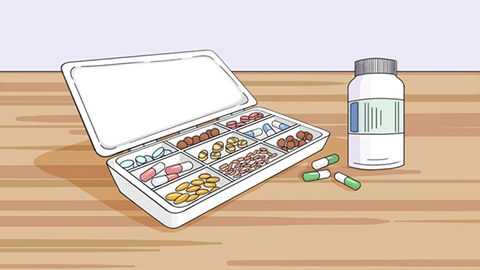
For allergic sinusitis, oral antihistamines or anti-allergic medications—such as loratadine—may be administered. Regular nasal irrigation with normal saline is also recommended for children with sinusitis, as it helps improve the local microenvironment within the nasal cavity and significantly enhances therapeutic outcomes.
Parents who have previously experienced sinusitis are well aware that this condition commonly causes nasal obstruction, purulent nasal discharge, and headache. Therefore, the aforementioned treatment strategies are highly effective for relieving associated headaches. Moreover, excessive reliance on Western medical interventions in children may impose a significant burden on their developing bodies and potentially interfere with normal growth and development. We hope this information proves helpful to you!


