


What should I do if gout recurs repeatedly?

Some individuals in daily life suffer from gout. Although they have received treatment and made dietary adjustments, recurrent gout attacks still occur. So, what should be done when gout recurs?
What to Do When Gout Recurs
Uric acid–lowering therapy: Commonly used uric acid–lowering drugs in clinical practice include allopurinol, benzbromarone, and febuxostat. Benzbromarone is contraindicated in patients with urinary tract stones, while febuxostat may be used as an alternative for patients allergic to allopurinol. When initiating uric acid–lowering therapy, drug dosage should be gradually adjusted based on changes in the patient’s serum uric acid levels to reduce the frequency of gout attacks and achieve optimal uric acid control. Lifestyle interventions: Patients should adopt a controlled diet, engage in appropriate physical activity, and abstain from smoking and alcohol to prevent gout recurrence. Relying solely on uric acid–lowering medications—without concurrent anti-inflammatory prophylaxis—may paradoxically increase the frequency and severity of gout flares. To prevent acute gout attacks, patients may use nonsteroidal anti-inflammatory drugs (NSAIDs), low-dose colchicine, or short-term glucocorticoids.
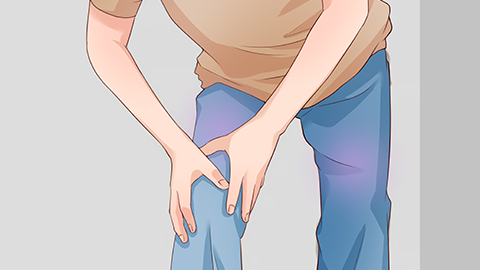
Additionally, alcohol consumption should be strictly avoided. Alcohol metabolism increases blood lactate levels in gout patients; elevated lactate inhibits uric acid secretion by renal tubules, thereby impairing the kidneys’ ability to excrete uric acid. Moreover, beer itself contains high levels of purines. Therefore, gout patients are strongly advised to abstain from all alcoholic beverages.
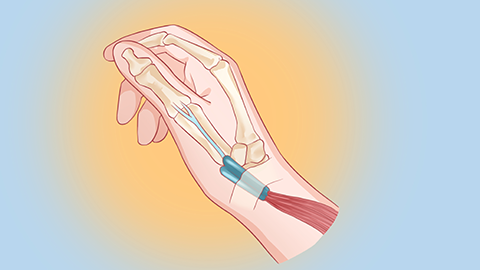
Patients should also minimize intake of exogenous purines. Foods particularly rich in purines—including organ meats, shellfish and other seafood, and meat-based broths—must be strictly avoided. We hope this information proves helpful!


