


Are pharyngitis and “plum pit qi” the same condition?

“Plum-pit Qi” (Mei He Qi) describes a sensation in the patient’s pharynx—as if a plum pit is lodged there, impossible to swallow down. Some people mistakenly equate it with pharyngitis. Are pharyngitis and Plum-pit Qi the same condition?
Are Pharyngitis and Plum-pit Qi the Same Condition?
Pharyngitis and Plum-pit Qi are not the same disease. Pharyngitis is an organic disorder affecting the pharynx, characterized by pharyngeal congestion, edema, or formation of lymphoid follicles or polyps. In contrast, Plum-pit Qi is a functional disorder associated with psychological and neurological factors, with no organic pathology detectable in the larynx. Patients experiencing such symptoms should promptly visit the Department of Otorhinolaryngology at a reputable public hospital for appropriate evaluation and definitive diagnosis, followed by targeted treatment.
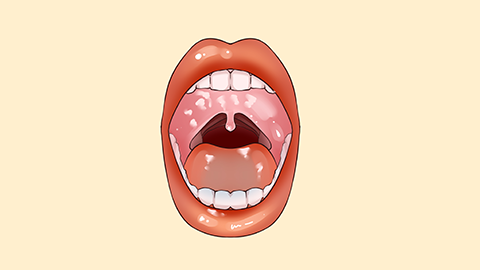
Plum-pit Qi is a concept from Traditional Chinese Medicine (TCM), whereas pharyngitis is a Western medical diagnosis. The etiology of Plum-pit Qi is generally linked to psychological factors and liver Qi stagnation, among others. Pharyngitis, on the other hand, results from inflammatory processes in the pharynx. Patients commonly experience a foreign-body sensation in the throat and may develop coughing related to pharyngeal irritation.

Although Plum-pit Qi and pharyngitis share certain clinical similarities, their treatments differ significantly. For pharyngitis, antimicrobial agents and proprietary Chinese medicines may be employed. In early-stage cases, iodine glycerin or silver nitrate application to the pharyngeal mucosa can help resolve inflammation. When inflammation extends into the larynx or trachea, systemic antibiotics or inhaled corticosteroids may be administered to prevent disease progression. We hope this information proves helpful!


