


Can I drink alcohol while taking Pharyngitis Tablets?

Yan Yan Pian (Pharyngitis Tablets) is a traditional Chinese medicine used to clear heat, relieve throat discomfort, and promote pharyngeal health. It is generally effective; however, like all medications, it carries certain contraindications. So, can alcohol be consumed after taking Yan Yan Pian?
Can alcohol be consumed while taking Yan Yan Pian?
Alcohol consumption is strictly prohibited while taking Yan Yan Pian. The main herbal ingredients of this formulation include Scrophularia root (Xuan Shen), Stemona tuber (Bai Bu), Asparagus root (Tian Dong), Tree peony bark (Mu Dan Pi), Ophiopogon tuber (Mai Dong), Honeysuckle flower (Jin Yin Hua), Rehmannia root (Sheng Di), Isatis root (Ban Lan Gen), Olive fruit (Qing Guo), and Peppermint oil (Bo He You). Its primary therapeutic actions include nourishing yin and moistening the lungs, clearing heat and detoxifying, soothing the throat and relieving cough, and alleviating pruritus. It is indicated for chronic pharyngitis presenting with symptoms such as dryness, itching, and irritative cough of the pharynx. Chronic pharyngitis is commonly triggered by environmental and dietary irritants—including spicy foods, tobacco, and alcohol—as well as exposure to polluted or unhygienic air. Therefore, during treatment of chronic pharyngitis, oral administration of Yan Yan Pian provides localized anti-inflammatory effects and helps alleviate symptoms including pharyngeal itching, dryness, pain, and cough.
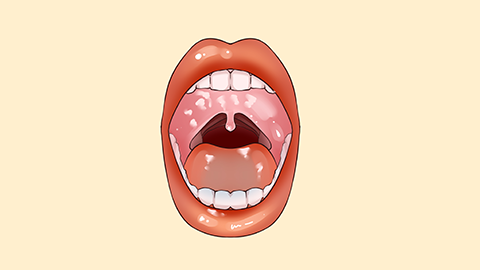
If left untreated or poorly managed, long-standing chronic pharyngitis may lead to various complications, including chronic rhinitis, sinusitis, and acute pharyngitis. Furthermore, it may predispose patients to tracheitis, bronchitis, frequent asthma exacerbations, pneumonia, and acute laryngitis. Chronic pharyngolaryngitis is often characterized by persistent, refractory symptoms and prolonged disease duration.
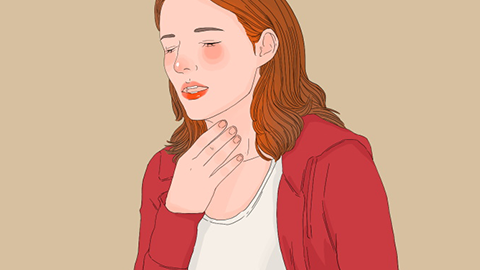
Patients should avoid environments with dust or air pollution and refrain from consuming spicy or irritating foods. Drinking warm water regularly is recommended. Herbal infusions made from wild chrysanthemum flowers (Ye Ju Hua) and Sterculia seeds (Pang Da Hai) may also be beneficial. We hope this information proves helpful to you!


