


What conditions does the Psychosomatic Medicine Department treat?

The Department of Physical and Mental Disabilities typically manages conditions such as neurodevelopmental disorders, psychiatric and psychological disorders, cognitive disorders, behavioral disorders, and stress-related disorders. If you experience any discomfort, we recommend seeking medical attention promptly and consulting the appropriate specialty department.
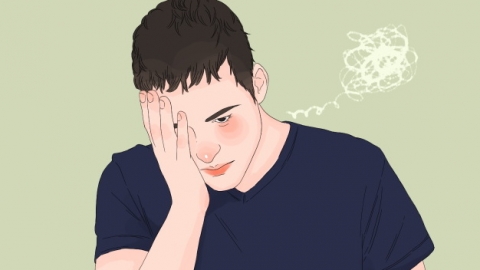
1. Neurodevelopmental Disorders
Examples include autism spectrum disorder (ASD), which commonly manifests in early childhood and is characterized primarily by social communication deficits, restricted and repetitive behaviors, and narrow interests. Attention-deficit/hyperactivity disorder (ADHD) is another common condition, presenting with symptoms such as inattention, hyperactivity, and impulsivity—significantly impacting academic performance and daily functioning.
2. Psychiatric and Psychological Disorders
This category includes major depressive disorder, marked by persistent low mood, diminished interest or pleasure, feelings of guilt or worthlessness, and self-reproach. Anxiety disorders—such as generalized anxiety disorder—are also included; they feature excessive, uncontrollable worry often accompanied by physical symptoms like palpitations and sweating. Bipolar affective disorder is likewise managed within this department, characterized by alternating episodes of depression and mania.
3. Cognitive Disorders
Alzheimer’s disease is a classic example of a cognitive disorder. Early symptoms typically involve impaired short-term memory; as the disease progresses, patients experience broad-based cognitive decline affecting language, visuospatial abilities, and other domains. Vascular cognitive impairment arises from cerebrovascular disease and results in cognitive deficits attributable to vascular brain injury.
4. Behavioral Disorders
Obsessive-compulsive disorder (OCD) falls under this category; individuals experience intrusive, unwanted thoughts (obsessions) and feel compelled to perform repetitive behaviors (compulsions)—for instance, repeatedly checking whether doors or windows are locked, despite recognizing the behavior as unnecessary and being unable to resist it. Tic disorders are also included, characterized by sudden, rapid, recurrent, non-rhythmic motor movements or vocalizations—for example, frequent blinking or shoulder shrugging.
5. Stress-Related Disorders
This group includes acute stress disorder, which develops shortly after exposure to a severe, unexpected traumatic event—such as witnessing a disaster scene—and presents with acute psychological disturbance. Post-traumatic stress disorder (PTSD) is also commonly treated here; its symptoms—including intrusive recollections of the trauma, nightmares, and flashbacks—may emerge weeks or even months after the traumatic event.
Maintain healthy lifestyle habits in daily life: avoid excessive fatigue and refrain from strenuous physical activity to prevent bodily discomfort.


