


What Is Hypertrophic Cardiomyopathy?

Cardiomyopathy is a serious heart condition characterized by myocardial dilation or myocardial pathology caused by various etiologies. Clinically, cardiomyopathy is classified into three main types: hereditary cardiomyopathy, hypertrophic cardiomyopathy (HCM), and acquired cardiomyopathy—each exerting distinct effects on the body. So, what exactly is hypertrophic cardiomyopathy?
What Is Hypertrophic Cardiomyopathy?
Hypertrophic cardiomyopathy (HCM) is an autosomal dominant disorder with marked genetic heterogeneity. A family history of HCM or sudden cardiac death among first-degree relatives is common. Patients typically experience symptoms such as chest tightness and shortness of breath following physical exertion, warranting clinical evaluation for HCM. The most frequent symptoms are exertional dyspnea and fatigue; exertional dyspnea occurs in over 90% of patients, while approximately one-third experience exertional chest pain—discomfort or pain in the chest occurring after exercise. Atrial fibrillation is the most common persistent arrhythmia observed. Syncope may occur in some patients, often during physical activity and frequently associated with ventricular tachyarrhythmias.
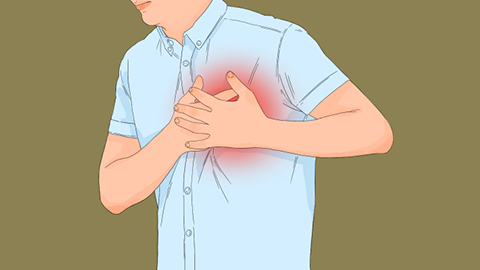
Hypertrophic cardiomyopathy (HCM) is a genetically mediated condition involving myocardial hypertrophy linked to specific gene mutations. In adolescent patients, manifestations may include chest pain, syncope, and sudden cardiac death. Syncope or cardiac arrest triggered by exertion warrants consideration of implantable cardioverter-defibrillator (ICD) therapy.

Patients with HCM should maintain a healthy lifestyle: consume ample fruits and vegetables, follow a low-salt, low-fat diet, avoid alcohol and tobacco, and engage regularly in aerobic exercise. We hope this information is helpful. Wishing you good health and happiness!


