


Efficacy and Effects of Prepared Aconiti Lateralis Radix Praeparata
May 25, 2022
Source: Cainiu Health

Dr. He Haochen
Introduction
This herb functions to warm the Yang and strengthen Fire, and is indicated for conditions caused by Yang deficiency and Cold, such as abdominal pain and diarrhea due to Spleen-Stomach deficiency, low back pain, edema, and impotence due to Kidney-Yang deficiency. Although this herb is processed (paozhi), it still retains some toxicity. Therefore, when used in large doses, it must be decocted for one to two hours to reduce its toxicity and achieve therapeutic efficacy against severe Yang-deficiency and Cold syndromes.
In daily life, many people use processed black aconite root (Hei Fuzi) medicinally but are unaware of its effects and benefits. So, what are the pharmacological actions and therapeutic uses of processed black aconite root?
Pharmacological Actions and Therapeutic Uses of Processed Black Aconite Root
This herb functions to warm yang and strengthen fire (i.e., invigorate yang qi), and is commonly used to treat conditions caused by yang deficiency and cold accumulation—such as abdominal pain and diarrhea due to spleen-stomach deficiency, low back pain, edema, and impotence resulting from kidney-yang deficiency. Although it is a processed (paozhi) form of aconite, it still retains some toxicity. Therefore, when used in large doses, it must be decocted for one to two hours to reduce toxicity and achieve optimal therapeutic efficacy against severe yang-deficiency and cold-damp syndromes.
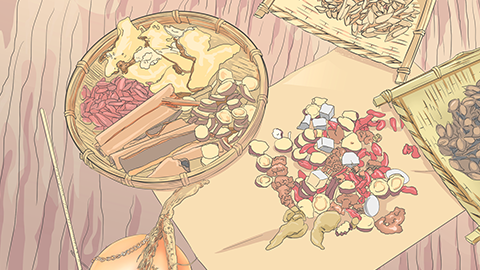
Additionally, it exerts cardiotonic, analgesic, and anti-inflammatory effects, improves organ function, and demonstrates significant clinical efficacy in treating heart failure, generalized fatigue, and renal failure. It is also effective for male sexual dysfunction—including erectile dysfunction and premature ejaculation—as well as for female conditions such as uterine coldness and infertility.
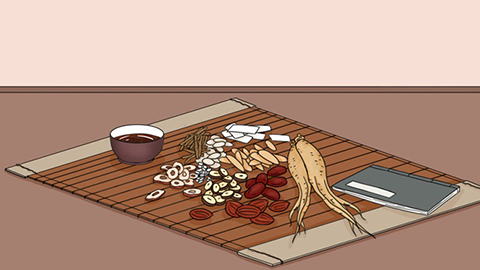
Although processed black aconite root offers the above therapeutic benefits, certain contraindications must be observed. First, pregnant women should avoid its use entirely. Second, it must be thoroughly baked or roasted to reduce toxicity—and the roasting time must not be less than 30 minutes. Third, it should not be combined with rhinoceros horn (now substituted with alternatives per conservation regulations), pinellia (Banxia), trichosanthes (Gualou), fritillaria (Beimu), or bletilla (Baiji). Finally, it is contraindicated in patients presenting both high fever and excessive yang signs, as its yang-warming action may exacerbate the condition by further augmenting internal fire. In all cases, specific clinical application should be conducted strictly under the guidance of a qualified healthcare practitioner. We hope this information proves helpful!



