


What should I do if my 10-month-old baby has diarrhea?

At ten months of age, infants have relatively low resistance and immature immune systems, making them prone to various health issues—including diarrhea.
What to Do When a Ten-Month-Old Infant Has Diarrhea
Diarrhea in ten-month-old infants is often caused by inappropriate feeding practices or indigestion. First, adjust the infant’s diet—moderately reduce the intake of nutritional supplements and opt for easily digestible milk-based feeds. You may also administer an appropriate dose of smectite to the infant. Smectite protects the gastrointestinal mucosa and exerts a mild astringent effect on stools, helping to thicken stool consistency and alleviate diarrhea symptoms. If necessary, probiotics specifically formulated for children may be given to help regulate intestinal flora, enhance gut immunity and overall resistance, and thereby relieve and control diarrhea.
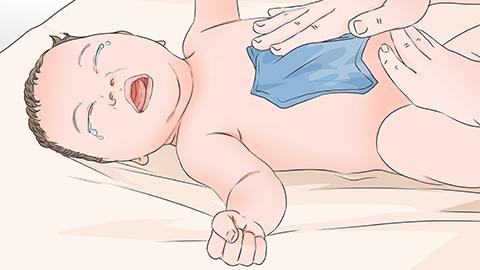
The primary causes of infantile diarrhea fall into two categories: infectious and non-infectious diarrhea. Infectious diarrhea is mainly caused by various pathogens, including bacteria (e.g., Escherichia coli, Shigella, Salmonella typhi, and Salmonella paratyphi) and viruses (e.g., rotavirus and norovirus). Rarely, fungal infections (including opportunistic fungal infections associated with antibiotic use) or mold infections may also cause diarrhea. Non-infectious diarrhea is commonly triggered by factors such as upper respiratory infections (colds), improper feeding, climatic changes, or food allergies.
Parents should pay close attention to their baby’s well-being and provide comprehensive care to minimize the risk of illness. We hope this information is helpful. Wishing you good health and happiness!


