What types of pain-relieving injections are available?
May 25, 2022
Source: Cainiu Health

Dr. Wang Mingxuan
Introduction
Specific medications include tramadol injection, flurbiprofen axetil injection, parecoxib injection, and dezocine injection; as well as fentanyl injection, pethidine hydrochloride injection, and morphine injection. For short-term postoperative analgesia in clinical practice, tramadol, flurbiprofen axetil, and parecoxib are commonly preferred to avoid respiratory depression and addiction associated with morphine and pethidine.
In today’s society, numerous brands of analgesic injections are available, and many individuals are unfamiliar with the different types of pain-relieving injections. So, what are the main categories of analgesic injections?
What Are the Types of Analgesic Injections?
Clinically used analgesic injections generally fall into two major classes: opioid analgesics and nonsteroidal anti-inflammatory drugs (NSAIDs). Specific agents include tramadol injection, flurbiprofen axetil injection, parecoxib injection, dezocine injection, fentanyl injection, pethidine hydrochloride injection, and morphine injection. For short-term postoperative pain management, clinicians typically prefer tramadol, flurbiprofen axetil, parecoxib, dezocine, or fentanyl injections—rather than morphine or pethidine—to minimize risks of respiratory depression and addiction. In contrast, patients with advanced cancer-related pain often require morphine or pethidine.
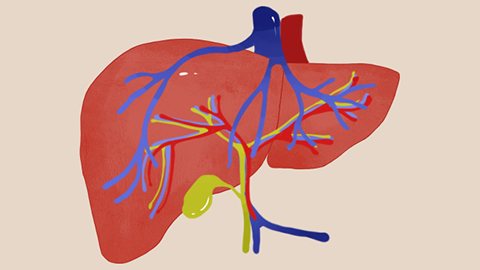
The primary function of analgesic injections is to relieve pain, particularly following major surgery, thereby alleviating patient suffering. However, these injections also carry potential side effects. As they contain pharmacologically active compounds requiring hepatic metabolism, analgesic injections impose a detoxification burden on the liver; thus, patients with pre-existing liver impairment may experience exacerbated hepatic stress. Additionally, analgesics can adversely affect gastrointestinal function.

Regardless of the medication used, it must always be administered under the supervision and guidance of a qualified physician. Self-administration is strictly discouraged, as it may trigger adverse reactions—including allergic responses. To support overall health, individuals should maintain robust immune function through a balanced diet rich in fresh fruits and vegetables. We hope this information proves helpful to you.