


What disease does yellow urine indicate?

In daily life, many people experience yellowish urine. While yellowing of the skin may indicate underlying disease, what does yellowish urine signify?
What condition does yellowish urine indicate?
Yellowish urine is commonly observed in clinical practice. It may result from insufficient fluid intake: when water consumption is low, urine becomes concentrated, volume decreases, and urinary retention time in the body increases—leading to physiologic (benign) yellow urine. Another possible cause is inflammation of the urinary tract. Inflammatory responses can increase secretions or bacterial metabolic byproducts in the urine, resulting in yellow, cloudy urine. In such cases, routine urinalysis should be performed to determine whether a urinary tract infection or inflammation is present.
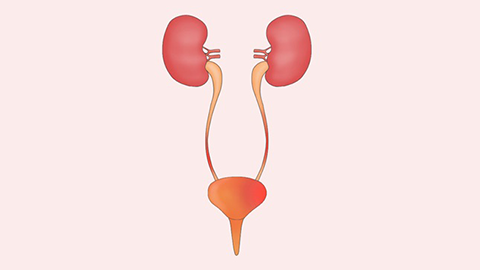
Normal urine is typically clear and colorless or pale yellow. Most cases of yellowish urine are attributable to physiological factors—for instance, inadequate hydration, excessive physical activity, or profuse sweating, all of which lead to urine concentration and discoloration. Long-term oral supplementation with B-complex vitamins may also cause urine to appear light yellow. Increasing fluid intake usually resolves this spontaneously, without requiring specific medical intervention. However, if symptoms persist or fail to fully resolve, prompt medical evaluation is recommended to identify any underlying pathology.

Additionally, maintaining good health requires regular physical exercise, drinking warm boiled water, consuming a nutritionally balanced diet with appropriate proportions of animal and plant-based foods, and cultivating healthy lifestyle habits—including consistent early bedtimes and morning awakenings.


