What Are the Hazards of Smegma to Men?
May 25, 2022
Source: Cainiu Health

Dr. Li Mingchuan
Introduction
Smegma contains large quantities of bacteria—and even fungi. If left untreated, this can exacerbate balanoposthitis, leading to increased congestion and thickening of the inner preputial surface, as well as erythema, swelling, and pain on the glans surface. These inflammatory changes are further aggravated by secretions that irritate the affected tissues. In severe cases, chronic inflammation may even increase the risk of penile cancer. Moreover, during the reproductive years, prominent phimosis or redundant prepuce in males may predispose to recurrent infections.
Smegma primarily forms from secretions produced by the sebaceous glands beneath the foreskin. These secretions gradually desquamate onto the epithelial surface and accumulate over time, forming smegma—which can adversely affect health. So, what are the health risks of smegma for men?
Health Risks of Smegma in Men
Smegma harbors large quantities of bacteria—and sometimes even fungi. If left untreated, this may lead to balanoposthitis (inflammation of the glans penis and foreskin), hyperemia and thickening of the inner foreskin, as well as erythema, swelling, and pain on the glans surface—symptoms that worsen due to inflammatory secretions. In severe cases, chronic irritation and inflammation may increase the risk of penile cancer. Moreover, during sexual activity, prominent or poorly managed smegma in men may cause vaginal infections in female partners, resulting in recurrent cross-infections between both partners.
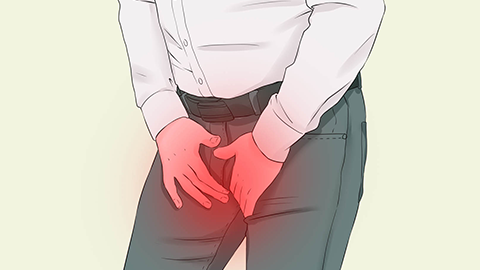
Smegma refers to the accumulation of debris and secretions beneath the foreskin covering the glans penis. It is a normal, localized physiological secretion in males—typically white in color and odorless. However, if not regularly cleaned or if bacterial overgrowth triggers infection, symptoms such as local erythema, edema, pain, and even purulent discharge may develop.
+

Men should wash the foreskin daily with warm water—especially those with phimosis or redundant foreskin, who must gently retract the foreskin to thoroughly clean the concealed areas underneath. Failure to do so increases the risk of balanoposthitis. Additionally, change undergarments regularly, maintain good personal hygiene habits, and avoid spicy or irritating foods. We hope this information has been helpful. Wishing you optimal health and a joyful life!