


Methods for Rapidly Reducing Swelling and Promoting Diuresis

Some individuals frequently experience difficulty urinating, which can adversely affect their health. What are effective methods for rapid edema reduction and diuresis?
Methods for Rapid Edema Reduction and Diuresis
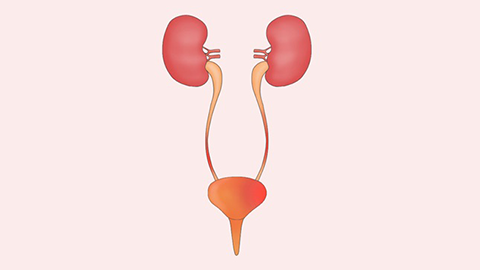
The most effective approach for rapid edema reduction and diuresis involves pharmacological intervention. Commonly prescribed diuretic agents include hydrochlorothiazide, furosemide, and spironolactone. These medications enhance glomerular filtration and tubular secretion of urine while inhibiting renal reabsorption of water and electrolytes, thereby promoting increased urine production and subsequent excretion. Through this diuretic effect, urine output rises, facilitating gradual resolution of edema. However, diuretics should only be used short-term, as prolonged use may lead to electrolyte imbalances.
Certain foods also possess notable diuretic properties, including red beans, kelp, wheatgrass, rice bran, watermelon, white radish, grapes, and tomatoes. While these foods offer beneficial diuretic and anti-edematous effects, the underlying causes of edema are diverse. Common etiologies include heart failure, renal failure, liver cirrhosis, and hepatocellular carcinoma. Local trauma or infection may also induce edema. If generalized edema occurs, prompt medical evaluation is essential to identify the precise cause and initiate targeted treatment.
In daily life, prioritize adequate rest and avoid chronic sleep deprivation—ensure sufficient, high-quality sleep. Maintain a light, easily digestible diet, minimizing intake of greasy or spicy, irritating foods. Consume ample fresh fruits and vegetables rich in vitamins. Engage in appropriate physical activity to bolster immune function and overall resilience. We hope this information proves helpful!


