


What Causes Heel Pain in Middle School Students?

Many junior high school students experience heel pain. As they are in a rapid growth phase and typically engage in substantial physical activity, heel pain is relatively common during this period. So, what causes heel pain in junior high school students?
What Causes Heel Pain in Junior High School Students?
The most common clinical cause is plantar fasciitis—a sterile inflammatory condition affecting the plantar fascia and surrounding soft tissues. This is a self-limiting condition, with most cases resolving spontaneously within six to nine months. Nevertheless, medical evaluation and treatment at a hospital are still recommended to alleviate symptoms. However, other potential causes of heel pain must not be ruled out, as the etiology can be complex.
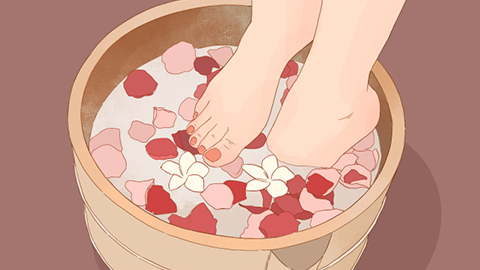
If diagnosed with plantar fasciitis, standard management includes the following measures. First, avoid physical stress on the affected area—for example, by wearing soft-soled shoes or using heel pads for protection. On this basis, physical therapy may be initiated, supplemented by oral or topical medications, to assess for symptom improvement.

If no improvement occurs, corticosteroid injections (local “blocks”) or other interventions may be considered. In rare, refractory cases—after exhausting conservative treatments—surgical options such as excision of calcaneal spurs or localized surgery may be necessary. However, all treatments should follow a stepwise, progressive approach; invasive procedures should never be the first-line option. Such advanced interventions are reserved for cases where conventional therapies have failed. We hope this information proves helpful!


