


Does a small uterus really prevent pregnancy?

Women with a small uterus can become pregnant, although their chances of conception are lower than those with a normally sized uterus. If the uterus is extremely small, natural pregnancy may not be possible; in such cases, medical evaluation and interventions to promote uterine growth may be recommended. So, does a small uterus truly preclude pregnancy?
Does a small uterus prevent pregnancy?
Some women with a smaller-than-average uterus do successfully conceive. The key factor lies in endometrial function—particularly menstrual patterns. If uterine size is reduced but menstruation remains regular, fertility is generally unaffected. However, if a woman has a small uterus accompanied by significantly decreased menstrual flow—or even amenorrhea (absence of menstruation)—this may impair fertility and, in some cases, lead to infertility.
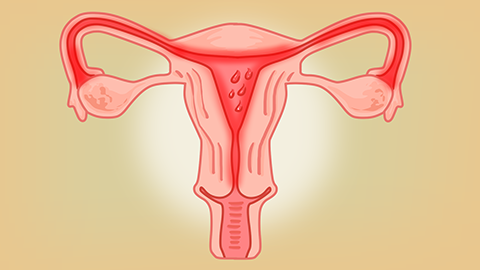
Pregnancy primarily depends on endometrial function—not on the thickness or size of the myometrium (uterine muscle layer). As long as the endometrium is of normal thickness, develops appropriately, and is associated with regular menstruation, conception is usually possible—even with a markedly small uterus. Conversely, a thin endometrium, scanty menstrual flow, or amenorrhea can all negatively impact fertility.
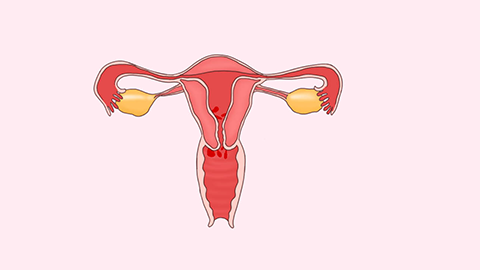
For women with a small uterus, laparoscopic procedures may be used to restore normal ovarian function, thereby enhancing hormonal secretion and promoting uterine development. However, in women of reproductive age, uterine growth has typically ceased, rendering pharmacological treatments largely ineffective. In such cases, intrauterine placement of a mechanical scaffold (e.g., an intrauterine device or balloon) may be considered to gradually expand the uterine cavity. Other therapeutic options are also available. We hope this information proves helpful!


