


What causes visible blood vessels (telangiectasia) on both sides of the nostrils?

Visible telangiectasias (dilated capillaries) on both sides of the alae nasi (nasal wings) are relatively common in daily life and may adversely affect patients’ quality of life and work performance, significantly compromising facial aesthetics. So, what causes telangiectasias on both sides of the nasal wings?
What Causes Telangiectasias on Both Sides of the Nasal Wings?
Telangiectasias on both sides of the nasal wings may result from rupture of superficial capillaries in this area; therefore, individuals should pay attention to protecting these delicate vessels. When telangiectasias become more prominent, dietary adjustments are recommended, along with evaluation for possible demodicosis (mite infestation). Potential underlying causes include:
- Seborrheic dermatitis: Characterized by erythema, yellowish scaling, occasionally thick brown crusts, and a tendency toward moisture; pruritus is not always present. This condition commonly affects infants and adults aged 30–60 years.
- “Excess internal heat” (a traditional Chinese medicine concept): Particularly common among young adults, it may manifest as nasal erythema, swelling, and acne-like lesions.
- Allergic reactions: A frequent cause of facial erythema.
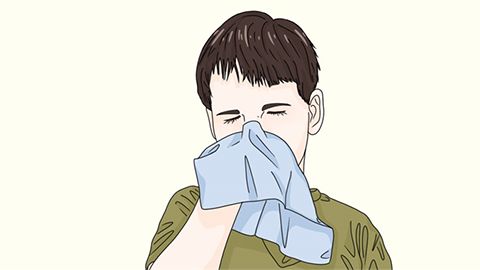
Nose-blowing: Some individuals habitually blow their nose forcefully, leading to transient erythema and swelling on both sides of the nose due to mechanical compression.
Rosacea is a chronic inflammatory skin disorder predominantly affecting the nose and commonly occurring in middle-aged adults.
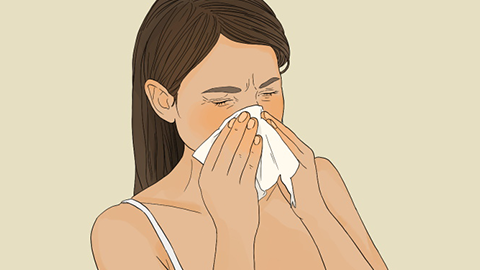
Erythema and telangiectasias on both sides of the nasal wings should be clinically diagnosed as rosacea-associated erythematotelangiectatic rosacea. Its hallmark features include persistent or transient erythema on the nose, cheeks, forehead, and chin—particularly triggered by spicy foods, abrupt environmental temperature changes, or emotional excitement. Initially, the erythema is intermittent but gradually becomes persistent, accompanied by visible capillary dilation and thread-like appearance. We hope this information proves helpful!

Your trusted source for health information and wellness guidance.
Resources
Connect


