


How to Nourish and Protect the Liver in Autumn

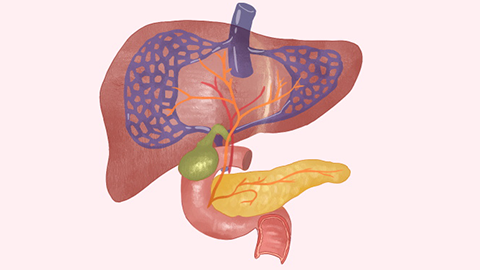
The liver functions as the body’s primary detoxifying organ; thus, only when the liver is healthy can the body remain free of toxins. So, how should one nourish and protect the liver during autumn?
How to Nourish and Protect the Liver in Autumn
Liver nourishment in autumn involves the following principles: • Minimize intake of stimulating, spicy, or overheating foods—such as chili peppers and Sichuan peppercorns. As autumn weather tends to be dry, the body is prone to dehydration. Consuming stimulating or heat-inducing foods at this time may easily impair body fluids (Jin-Ye), thereby causing damage to the liver. • Avoid indiscriminate supplementation. Although autumn is an ideal season for tonification, supplementation must be done judiciously—not haphazardly or without proper diagnosis. Refrain from taking tonics unnecessarily or without clear indications. Pay attention to appropriate dosage, and never substitute medicinal herbs for regular food.
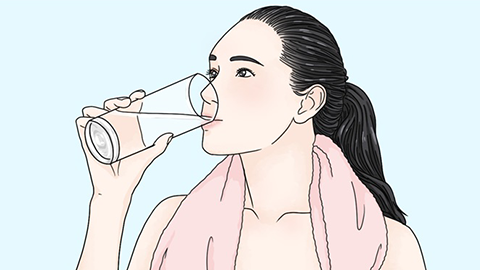
Supplementary foods should primarily focus on nourishing Yin and moistening dryness—for example, silky chicken, bird’s nest, and tremella fungus. Drink ample water to support detoxification. Due to the dry autumn climate, bodily water evaporates more rapidly, increasing the risk of dehydration. Therefore, it is essential to increase fluid intake during autumn to facilitate timely toxin elimination and reduce strain on the liver. Ensure adequate sleep, as rest profoundly influences liver health.
Chronic sleep deprivation often leads to irritability and emotional instability. Aim for eight hours of quality sleep each night. Avoid mentally taxing activities late in the evening, as excessive mental exertion can significantly impair sleep quality. We hope this information proves helpful!


