


What should a pregnant woman do if she has mild anemia?

Anemia during pregnancy is highly dangerous—particularly in the late stages of gestation. So, what should be done if a pregnant woman develops mild anemia?
Management of Mild Anemia in Pregnancy
Adequate rest and sleep can help alleviate symptoms of anemia in pregnant women. In cases of severe anemia, oral iron supplementation under medical supervision is typically required. Pregnant women who habitually practice selective eating should make concerted efforts to modify this behavior, as such habits significantly increase the risk of iron deficiency. A balanced, nutrient-rich diet is essential; smaller, more frequent meals are recommended, along with thorough chewing and slow swallowing to optimize nutrient absorption.
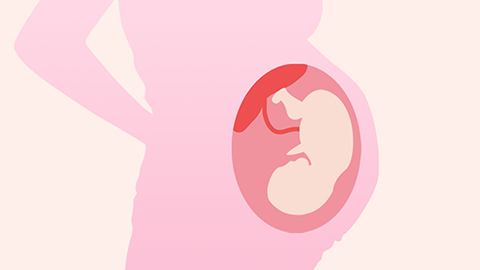
Dietary intake should be well-balanced and varied, with a broad range of foods included in the meal plan. Picky eating must be avoided, as it may lead to deficiencies in specific nutrients and consequently cause anemia. Foods should be both nutritious and easily digestible. Meals should be taken regularly and in moderation; binge eating or overeating must be strictly avoided. Iron-rich foods—including pork liver, pig blood, lean meat, apples, and leafy green vegetables—should be consumed regularly. Drinking tea may help supplement folate and vitamin B12, thereby aiding in the treatment of megaloblastic anemia. However, tea consumption is not advisable for iron-deficiency anemia, as tannins in tea inhibit iron absorption.
Including appropriate acidic foods in the diet enhances iron absorption. Spicy, raw, cold, or otherwise hard-to-digest foods should be avoided. Complementary nourishing dietary therapies may also be beneficial. A balanced lifestyle—combining adequate rest with moderate physical activity—is strongly recommended. We hope this information proves helpful!


