


Rupture and hemorrhage of ovarian chocolate cyst

In today’s society, women increasingly shoulder the responsibility of supporting their families. However, many women suffer from various gynecological disorders, one of which is ovarian chocolate cysts. What causes rupture and hemorrhage of an ovarian chocolate cyst?
Rupture and Hemorrhage of Ovarian Chocolate Cysts
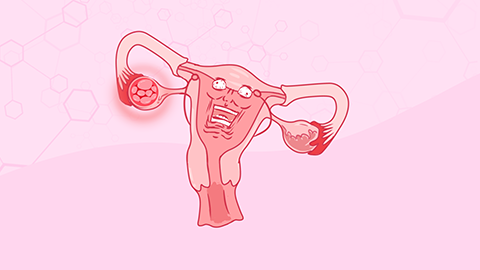
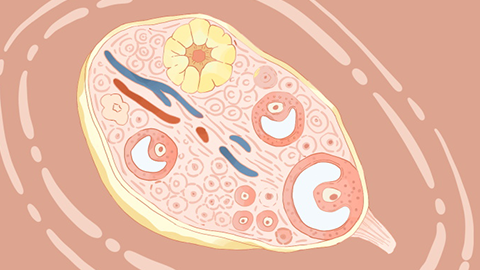
Ovarian chocolate cysts—also known as endometriomas—are a common manifestation of endometriosis and differ fundamentally from neoplastic ovarian cysts in classification. When endometrial tissue becomes implanted within the ovary (“ectopic endometrium”), it remains responsive to the cyclical hormonal fluctuations produced by the ovary. At the onset of menstruation, this ectopic endometrial tissue within the ovary also undergoes cyclic bleeding similar to normal menstrual shedding. However, unlike physiological menstrual blood, this “menstrual-like” blood cannot exit the body and instead accumulates within the ovary. The ectopic endometrial tissue acts like “seeds,” continuously implanting and growing within the ovarian tissue—a self-perpetuating cycle. Over time, the accumulated blood becomes old and degraded, acquiring a thick, brownish, chocolate-like appearance—hence the term “ovarian chocolate cyst.”
When excessive blood accumulates inside the cyst, intracystic pressure rises. This increased pressure may cause spontaneous rupture through the thinnest or weakest portion of the cyst wall. The effused blood is often highly irritating and causes significant inflammation. As pressure decreases following rupture, the cyst wall may spontaneously reseal. However, after a period of time, recurrent intra-cystic hemorrhage may again elevate intracystic pressure, potentially leading to another episode of rupture. Such rupture allows blood to spill into the pelvic cavity, triggering severe abdominal pain and potentially causing adhesions among pelvic organs.
Prompt medical intervention is essential to prevent more serious complications. We hope this information has been helpful to you!


