


What Are the Symptoms of Being Two Months Pregnant?

Pregnancy is a unique physiological phase for women. After fertilization of the ovum, women typically experience amenorrhea (cessation of menstruation), and numerous hormonal levels in the body rise significantly, triggering a cascade of physical changes. So, what are the common symptoms at two months’ gestation?
Common Symptoms at Two Months’ Gestation
The most prominent symptom at two months’ gestation is nausea and vomiting. Hormonal fluctuations during pregnancy—particularly elevated levels of human chorionic gonadotropin (hCG) and estrogen—may disrupt normal digestive function and suppress appetite. In more severe cases, women may experience persistent nausea and dry heaving. Consuming fresh fruits and vegetables—such as grapes and apples—may help alleviate nausea.
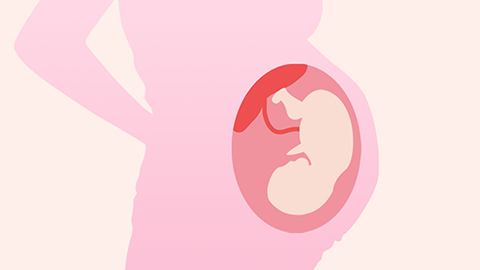
Secondly, fatigue or excessive drowsiness is common. Rising progesterone levels contribute significantly to this symptom. Some women may also develop cravings for fatty foods or experience mood swings. Additionally, urinary urgency and frequency, as well as breast tenderness or fullness, may occur. However, symptom presentation varies widely depending on individual constitution and physiology.

During pregnancy, it is essential to supplement with folic acid to prevent neural tube defects in the developing fetus. In the second and third trimesters, appropriate supplementation with iron and calcium becomes increasingly important to support fetal growth and development and to prevent iron-deficiency anemia or calcium deficiency. Regular physical activity is also recommended throughout pregnancy. Many pregnant women become less active, which may lead to excessive weight gain and complicate labor and delivery. It is advisable to engage in moderate exercise—such as walking—for at least 30 minutes twice daily, or aim for over 10,000 steps per day. We hope this information proves helpful!


