


Is a dull pain in the liver area indicative of liver cancer?

Located in the upper abdomen, the liver is one of the body’s vital organs, performing numerous physiological functions. However, over the past few days, you have experienced a vague, dull pain in this region. Does such dull pain in the liver area indicate liver cancer?
Does Dull Pain in the Liver Area Indicate Liver Cancer?
Pain in the liver area is not necessarily caused by liver cancer. “Liver area pain” refers specifically to discomfort or pain in the right upper quadrant of the abdomen and the posterior aspect of the right rib cage. Many conditions unrelated to the liver can cause pain in this region, including gastrointestinal disorders, gallbladder disease, right-sided pleuritis, rib or chest wall injuries, pulmonary conditions (e.g., pneumonia or pleural effusion), and neuromuscular pain syndromes. When liver tumors do cause pain, it typically occurs only at an advanced stage—often when the tumor stretches the liver capsule (Glisson’s capsule) or invades adjacent organs, resulting in significant discomfort.
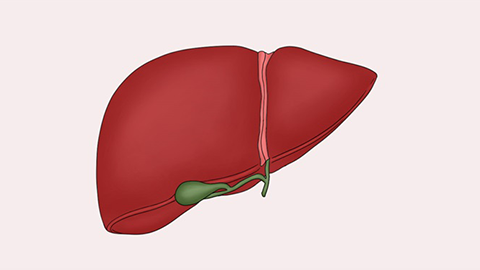
Dull pain in the liver area alone is insufficient for diagnosing liver cancer. If a patient has chronic liver disease, a family history of malignancy, or a long-standing history of heavy alcohol consumption, screening with serum alpha-fetoprotein (AFP) testing and abdominal ultrasound is recommended. Further confirmation may involve contrast-enhanced computed tomography (CT) or magnetic resonance imaging (MRI) of the liver. If no hepatic abnormalities are identified, other potential causes of right upper quadrant pain must be investigated—including organic diseases such as chronic gastritis, peptic ulcer disease, or pleural infection—as well as non-organic contributors like stress, dietary habits, exposure to cold, or fatigue.
Maintain a balanced diet that includes appropriate proportions of carbohydrates, fats, and proteins. Prioritize fresh, nutrient-rich foods to support optimal liver function and health—and thereby help reduce the risk of liver cancer. We hope this information is helpful to you!


