


How to Determine Whether Wrist Pain Is Caused by Gout

Gout causes pain in the bones and joints. Individuals with gout must avoid alcohol consumption. Gout results from elevated blood uric acid levels, leading to uric acid crystal deposition within joints—causing pain and, in advanced cases, joint deformity. So, how can one determine whether wrist pain is due to gout?
How to Determine Whether Wrist Pain Is Due to Gout
If wrist pain is present, the most critical diagnostic tests for gout are serum uric acid measurement and imaging studies—such as dual-energy CT or ultrasound—to detect monosodium urate (MSU) crystal deposits in the wrist. If the wrist pain is bilateral, rheumatoid arthritis should be strongly considered.
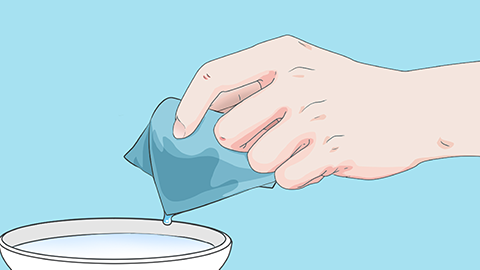
In patients with recurrent, long-standing gout, a new episode presenting as unilateral wrist pain—accompanied by redness, swelling, warmth, and tenderness—is highly suggestive of acute gouty arthritis. Acute gout attacks typically occur at night, causing severe, intolerable pain; however, symptoms usually subside spontaneously within 3–8 days. The third stage represents the development of chronic gouty arthritis—and coincides with tophus formation. During this phase, joint inflammation recurs repeatedly. Small-joint pain—including in the fingers, wrists, shoulders, knees, and metatarsophalangeal joints—is common in gout. Although gout and rheumatoid arthritis may coexist, such overlap is rare. Gout-related pain generally resolves spontaneously within two weeks, whereas rheumatoid arthritis typically causes persistent, long-term joint swelling and pain.
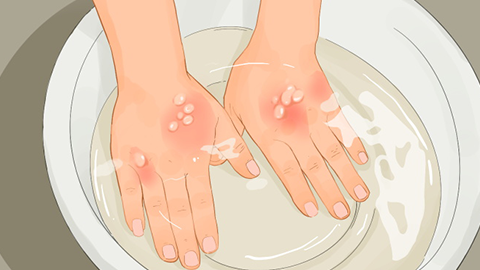
Management focuses primarily on dietary modifications—especially reducing intake of high-purine foods (e.g., organ meats and seafood), increasing fluid intake to promote uric acid excretion, and adhering consistently to uric acid–lowering medications to maintain serum uric acid levels within the target therapeutic range. We hope this information proves helpful!


