


What Is “Small Three Positives” in Hepatitis B?

In daily life, hepatitis B is a common chronic hepatitis. If you suspect infection, visit a hospital for a physical examination; the test report may indicate “small three positives” for hepatitis B. So, what exactly is “small three positives” for hepatitis B?
What Is “Small Three Positives” for Hepatitis B?
“Small three positives” for hepatitis B typically refers to a serological pattern in the six-item hepatitis B panel showing positive hepatitis B surface antigen (HBsAg), positive hepatitis B core antibody (anti-HBc), and negative hepatitis B e-antigen (HBeAg). Individuals with this pattern often exhibit no clinical symptoms or only mild symptoms, and viral replication is generally inactive—thus, treatment is usually not required immediately. However, this is not an absolute rule.
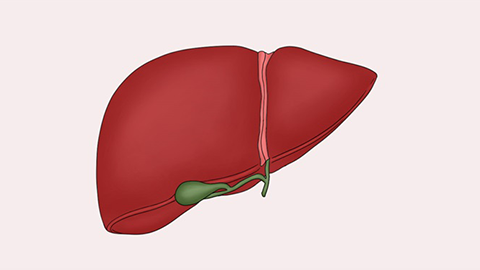
Hepatitis B is a serious chronic infectious disease posing a major threat to public health in China. It can lead to hepatitis, cirrhosis, and even hepatocellular carcinoma. Individuals who are “small three positives” carriers should undergo routine liver disease examinations every six months. If a carrier experiences concurrent hepatitis flare-ups or abnormal liver function tests, symptoms such as fatigue, nausea, vomiting, jaundice (yellowing of the skin and sclera), or discomfort or distension in the hepatic region may appear—these are indicative of active hepatitis. Liver function tests may reveal elevated bilirubin and transaminase levels, at which point antiviral and hepatoprotective therapy become necessary.
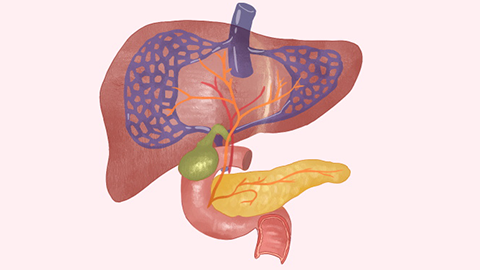
Currently, first-line antiviral medications for hepatitis B primarily include entecavir and tenofovir, both of which effectively suppress hepatitis B virus replication. Patients diagnosed with hepatitis B must seek medical care and receive treatment under the guidance of a physician. We hope this article has been helpful to you—and wish you good health and happiness!


