


Can people with gout eat sweet potatoes?

Sweet potatoes are herbaceous, twining plants whose roots develop into tubers. Can individuals with gout consume sweet potatoes?
Can individuals with gout eat sweet potatoes?
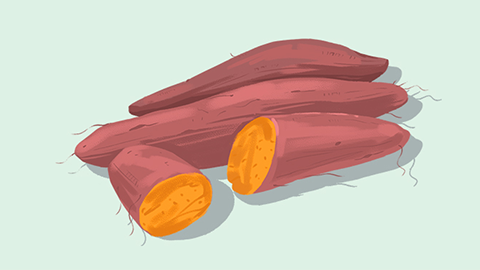
Yes, individuals with gout may consume sweet potatoes. Sweet potatoes are considered low-purine foods, and patients may include them in their diet in moderation. Sweet potatoes have a cool, sweet nature and are associated with the stomach meridian in Traditional Chinese Medicine (TCM). They help generate body fluids, relieve thirst, alleviate alcohol intoxication, and lower blood pressure. Additionally, sweet potatoes enhance immune function—particularly through minerals such as copper, which serve as cofactors for enzymes involved in immunity. They also promote better blood pressure control, induce capillary dilation, reduce blood viscosity, and improve microcirculation.
Gout arises from abnormal purine metabolism, leading to hyperuricemia, which may trigger acute gouty arthritis. Concurrently, insulin resistance, hypertension, increased arterial stiffness, and eventual deposition of uric acid crystals in the kidneys can result in crystalline nephropathy or even renal failure—constituting a spectrum of clinical manifestations collectively termed “gout.” In addition to pharmacological treatment, dietary management is essential. Patients should avoid high-purine foods.

High-purine foods are defined as those containing more than 150 mg of purine per 100 g. Such foods primarily include seafood and animal offal. In contrast, bitter melon, winter melon, luffa, radishes, leafy green vegetables, and similar produce are nearly all low-purine options—making them suitable for daily consumption. We hope this article has been helpful. Wishing you a joyful life and optimal health!


