


Is swelling and pain on the dorsum of the foot caused by gout?

This can be understood as foot edema, which clinically may result from numerous underlying causes. It is commonly associated with disorders across multiple organ systems, such as cardiac insufficiency, acute or chronic glomerulonephritis, nephrotic syndrome, and end-stage chronic liver disease. So, does dorsal foot swelling and pain indicate gout?
Is Dorsal Foot Swelling and Pain Caused by Gout?
Dorsal foot swelling and pain are not necessarily due to gout. Gout is a metabolic disorder caused by purine metabolism abnormalities. Its clinical manifestations typically include an asymptomatic phase followed by acute arthritis; later stages may progress to chronic or intermittent forms. Dorsal foot pain may also stem from cold exposure, muscle strain, tendon injury, or osteophyte formation. A comprehensive evaluation—including age, medical history, symptoms, physical signs, and joint X-rays—is essential for accurate diagnosis and differential diagnosis. While most gout patients exhibit elevated serum uric acid levels, some experience acute gout attacks despite normal serum uric acid concentrations. In such cases, joint ultrasound, along with assessment of prior osteophyte formation or tendon overuse, is crucial.
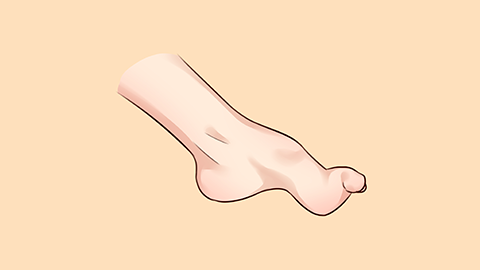
During the initial phase, cold compression using chilled mineral water or ice packs is recommended. This helps alleviate pain and reduce swelling, while also controlling bleeding. Additionally, elevating the affected limb during sleep promotes venous return and facilitates resolution of edema.
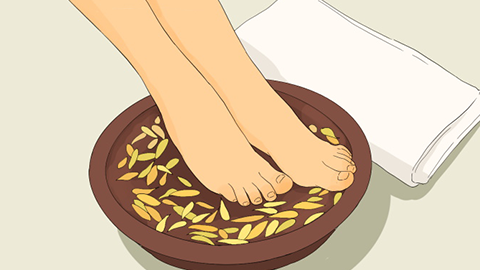
In the early stage, Yunnan Baiyao spray may be applied. This topical preparation helps control bleeding initially and, in later stages, promotes blood circulation, reduces swelling, and relieves pain. We hope this information proves helpful to you!


