


Is fasting required for the hepatitis B serological panel test?

To better understand one’s physical condition and prevent certain diseases, most people undergo regular health check-ups. After measuring various physiological parameters, individuals can assess their specific health status based on the examination results. So, is fasting required for the “two-and-a-half pairs” hepatitis B test?
Is fasting required for the “two-and-a-half pairs” hepatitis B test?
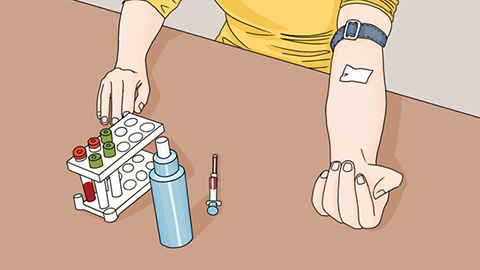
Fasting is not required for the “two-and-a-half pairs” hepatitis B test. The five hepatitis B serological markers—commonly referred to as the “two-and-a-half pairs”—are as follows: (1) hepatitis B surface antigen (HBsAg); (2) hepatitis B surface antibody (anti-HBs); HBsAg and anti-HBs constitute the first “pair”; (3) hepatitis B e-antigen (HBeAg); (4) hepatitis B e-antibody (anti-HBe); HBeAg and anti-HBe form the second “pair”; and (5) hepatitis B core antibody (anti-HBc), which constitutes the “half pair.” Since this test measures serum antibodies and antigens—not metabolic parameters affected by food intake—fasting has no impact on the results. You may undergo testing at any time, even after eating.
Clinically, the “two-and-a-half pairs” hepatitis B test is routinely used to screen for hepatitis B virus (HBV) infection and to assess the presence of hepatitis B–specific immunity. If the test reveals a positive HBsAg result, further evaluation—including quantitative HBV DNA testing—is necessary to assess viral replication activity. Conversely, if only anti-HBs is positive among the five markers, this is an excellent outcome, indicating that protective immunity against hepatitis B has been established.

If liver disease is detected upon examination, further diagnostic work-up is needed to identify the underlying cause, followed by prompt and appropriate treatment. In daily life, maintain a healthy diet rich in fresh vegetables and fruits, avoid staying up late, drink plenty of water, and ensure adequate sleep. We hope this information is helpful to you!


