


Can hepatitis B be cured?
May 28, 2022
Source: Cainiu Health

Dr. Jin Zhongkui
Introduction
Hepatitis B generally refers to hepatitis B virus (HBV) infection. While hepatitis B can be cured in some cases, it is classified into acute and chronic forms. Acute hepatitis B in adults is typically a self-limiting disease; with timely treatment, approximately 90% of patients recover fully. However, a subset of these cases may progress to chronic infection. In contrast, the cure rate for chronic hepatitis B is relatively low—clinical cure is achieved in no more than 10% of patients, and the rate of complete, sustained virological clearance is even lower.
“Hepatitis B patient” is a shorthand term for individuals infected with the hepatitis B virus (HBV) or asymptomatic HBV carriers.
Hepatitis B virus (HBV) is a deoxyribonucleic acid (DNA) virus composed of an outer envelope and an inner core, also known as a DNA virus. So—can hepatitis B be cured?
Can Hepatitis B Be Cured?
Generally speaking, “hepatitis B” refers to hepatitis B infection, which may be curable. Hepatitis B can be classified into acute and chronic forms. Acute hepatitis B in adults is typically a self-limiting disease; with timely treatment, approximately 90% of cases resolve completely. However, a subset of patients still progress to chronic infection. The cure rate for chronic hepatitis B remains low—clinical cure rates are estimated at less than 10%, and complete viral eradication is rare. Clinically, “cure” usually means resolution of symptoms and normalization of liver function tests, although residual HBV may persist. In contrast, “complete cure” implies total elimination of the hepatitis B virus.
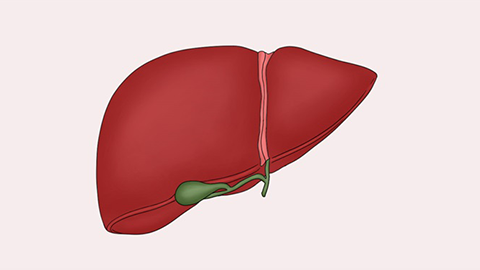
Patients experiencing an acute hepatitis B episode generally do not require antiviral therapy. However, antiviral treatment may be necessary for those with severe disease or for pregnant women. Primary management focuses on ensuring adequate rest, enhancing nutritional support, reducing hepatic burden, and using hepatoprotective and bilirubin-lowering medications per physician guidance. Most patients recover within approximately six months, after which they no longer carry the hepatitis B virus.

Individuals with chronic hepatitis B should seek prompt, systematic, and standardized medical care at a hospital. Antiviral therapy constitutes the mainstay of treatment, with commonly used agents including nucleos(t)ide analogues such as entecavir and tenofovir, as well as interferon-based therapies. Immunomodulatory treatments may be combined with antiviral regimens, offering potential for functional cure—including sustained viral suppression and loss of infectivity—in some patients. We hope this information proves helpful to you!


