


What are the key aspects of prenatal care?

Proper prenatal care during pregnancy is essential to ensure healthy fetal development. Prenatal care is divided into several distinct stages. So, what does prenatal care for pregnant women involve?
What Does Prenatal Care Involve?
Prenatal care primarily includes the following aspects: early-pregnancy care, mid-pregnancy care, dietary management, facial care, breast care, and genital hygiene. Pregnant women must attend regular obstetric check-ups throughout pregnancy. During early pregnancy, it is advisable to eat smaller, more frequent meals consisting of light yet nutritious foods, including nuts, to supplement vitamins and trace elements and help manage morning sickness. Special attention should also be paid to maintaining cleanliness of the eyes, skin, hair, breasts, and genital area. Ensure good indoor air circulation and wear loose, breathable clothing.

The gestational period refers to the time interval between conception and delivery. Since accurately determining the exact date of conception is often difficult for most women, medical practice defines both the estimated due date (EDD) and the full duration of pregnancy as beginning from the first day of the last menstrual period (LMP), totaling 280 days (approximately 40 weeks). A full-term delivery occurs between 38 and 42 weeks of gestation.
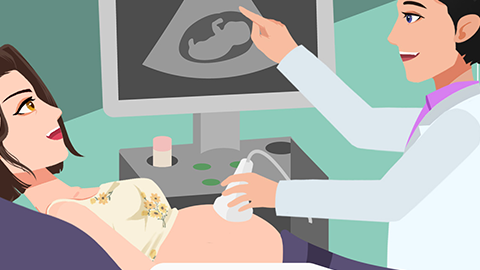
Due to individual variations in menstrual cycle length, the actual delivery date may differ from the estimated due date by approximately 1–2 weeks—this variation is considered normal. Regular antenatal examinations are crucial throughout pregnancy. Additionally, adequate rest and bed rest are recommended. During the first trimester, folic acid supplementation—as prescribed by a healthcare provider—is essential to help prevent neural tube defects in the developing fetus. We hope this information proves helpful!


