


Best Treatment for Hemorrhoids
May 30, 2022
Source: Cainiu Health

Dr. Cheng Yicheng
Introduction
There are many treatment options for hemorrhoids, including oral medications, topical medications, injection therapy, physical therapy, and surgery. The appropriate treatment plan should be selected based on the patient’s overall health status and the severity of the condition. Mild, early-stage hemorrhoids typically do not require specific medical intervention; most cases resolve spontaneously with proactive improvements in lifestyle and dietary habits. For severe cases, follow your physician’s instructions.
In real life, many people—some more, some less—suffer from hemorrhoids. Due to a lack of awareness about this condition, they often remain uncertain about how best to treat it. So, what is the optimal treatment for hemorrhoids?
Optimal Treatment for Hemorrhoids
Numerous treatment options exist for hemorrhoids, including oral medications, topical agents, injection therapy, physical therapies, and surgical intervention. The appropriate treatment strategy should be selected based on the patient’s overall health status and the severity of the disease. In early-stage hemorrhoids, no specific medical treatment is usually required; most cases resolve spontaneously with proactive improvements in lifestyle and dietary habits. As the condition progresses—manifesting symptoms such as bleeding, prolapse, or complications like thrombosis, strangulation, or infection—medical evaluation and targeted interventions under professional guidance become necessary.
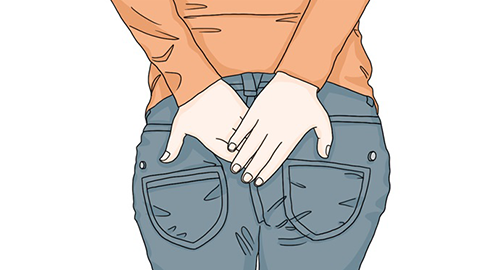
Hemorrhoid development is typically associated with multiple contributing factors—including poor dietary habits, unhealthy defecation practices, infections, occupational influences, genetic predisposition, and underlying systemic diseases—all of which may impair venous return or weaken supportive tissues around the anus, thereby promoting hemorrhoid formation. It is advisable to address and modify these modifiable risk factors in daily life. If symptoms become severe, prompt medical consultation is recommended. Dietary factors: Regular consumption of spicy, stimulating foods—such as seafood, chili peppers, and barbecued dishes—as well as chronic alcohol intake, can cause local anal congestion and edema, increasing susceptibility to hemorrhoids.
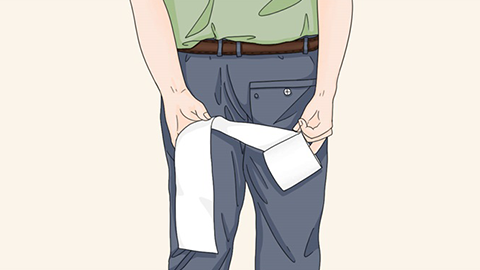
Excessive straining during bowel movements, prolonged sitting on the toilet, frequent diarrhea, or chronic constipation are also common precipitating factors. For instance, chronic constipation leads to hard stools that compress the rectum, impeding venous return. We hope this information proves helpful!






