


What Are the Fastest Ways to Relieve Itching from Chilblains?

Chilblains are relatively common in winter, primarily due to cold weather causing localized skin redness and swelling. In severe cases, blisters and ulcers may develop. The condition progresses slowly and typically resolves spontaneously as temperatures rise; however, it tends to recur. So, what are the most effective and rapid methods to relieve itching caused by chilblains?
What Are the Most Effective and Rapid Methods to Relieve Itching Caused by Chilblains?
Itching intensifies when chilblains are exposed to heat; therefore, avoid soaking or washing the affected area with hot water, applying hot towels, or using direct heat (e.g., fire) for warming. Instead, apply a cool-to-lukewarm saline solution locally via wet compresses. After compress application, apply topical medications that improve local circulation—such as mucopolysaccharide polysulfate cream or heparinoid compound cream—alternating with corticosteroid creams like dexamethasone or hydrocortisone.
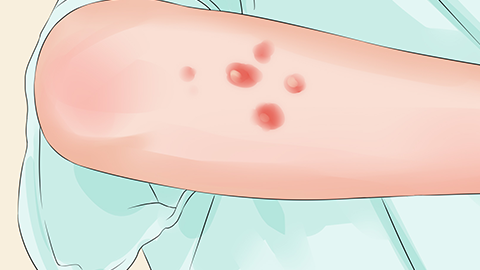
Oral antihistamines can be used to alleviate itching. In severe cases, oral vasodilators such as nicotinamide or nifedipine may be required. Alternatively, the affected area may be washed with warm saline water to relieve itching; the water temperature should neither be too hot nor too cold—the optimal temperature is approximately 35°C, and washing duration should be about 20 minutes.
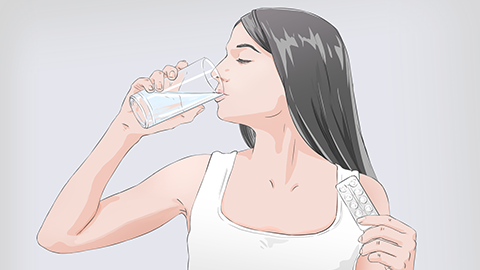
In daily life, ensure adequate warmth for the abdomen to prevent chilling, avoid activities in damp, cold environments, drink plenty of water, and engage in regular physical exercise to enhance local blood circulation. Keep the affected areas well insulated and protected from freezing to minimize the risk of chilblain development. We hope this information proves helpful to you!


