


Which traditional Chinese medicines have the effect of cooling the blood and stopping bleeding?

Traditional Chinese Medicine (TCM) has a history spanning several thousand years in China. Within classical TCM texts, there exists a category of herbs specifically used to stop bleeding and cool the blood. So, which TCM herbs possess these cooling and hemostatic properties?
Which TCM Herbs Cool the Blood and Stop Bleeding?
Herbs commonly used in TCM for cooling the blood and stopping bleeding include Cortex Moutan (Paeonia suffruticosa root bark), Radix Paeoniae Rubra (red peony root), Rhizoma Imperatae (Japanese bloodgrass rhizome), Folium Nelumbinis (lotus leaf), Herba Artemisiae Argyi (mugwort leaf), Radix Salviae Miltiorrhizae (danshen), Rhizoma Polygoni Cuspidati (Japanese knotweed rhizome), Rhizoma Cyperi (cyperus rhizome), Cortex Fraxini (ash bark), Fresh Radix Rehmanniae (fresh rehmannia root), Cortex Lycii (wolfberry root bark), Herba Spirodelae (duckweed), and Radix Sophorae Flavescentis (light yellow sophora root), among others. These herbs exert a blood-cooling effect; however, their specific actions vary—some primarily cool the blood, others stop bleeding, promote blood circulation, resolve stasis, or target different pathological mechanisms. Their precise application must be determined according to the patient’s individual condition and constitution. When using blood-cooling and hemostatic herbs, it is essential to follow the guidance of a qualified TCM practitioner.
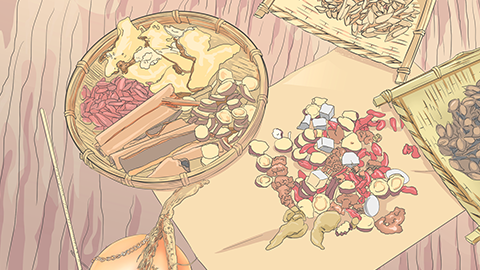
“Cooling the blood and stopping bleeding” is a TCM therapeutic principle referring to clearing heat from the blood while simultaneously arresting hemorrhage. In TCM theory, when pathogenic heat invades the blood level, it causes blood to become overheated and agitated, leading to abnormal bleeding. Therefore, cooling the blood is the primary step in achieving hemostasis. During treatment, patients should maintain a light, bland diet—avoiding spicy, fried, stimulating, greasy, and overly salty foods. They should also avoid staying up late regularly, overexertion, smoking, and alcohol consumption. Additionally, engaging in appropriate physical exercise is recommended to strengthen the body and support both disease treatment and prevention.
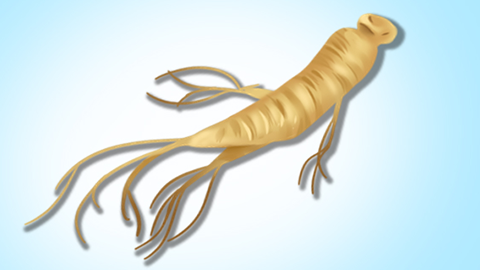
After obtaining herbs for cooling the blood and stopping bleeding, strictly adhere to your physician’s instructions and take them only as prescribed. Do not self-administer herbs indiscriminately, as this may produce adverse or counterproductive effects. We hope this information proves helpful to you!


