


What Traditional Chinese Medicine (TCM) herbs are used to treat anxiety disorders?

Today, increasing life stress contributes to depression in many individuals, who often turn to traditional Chinese medicine (TCM) for relief. So, what TCM remedies are used to treat anxiety disorders?
What Traditional Chinese Medicine Remedies Are Used to Treat Anxiety Disorders?
Numerous TCM formulations are clinically employed for treating anxiety disorders. The choice of herbal remedy depends on the specific TCM pattern diagnosis. For anxiety associated with Liver-Kidney Yin deficiency, Zhu Sha An Shen Wan (Cinnabar Pacifying Pill) and Jian Nao Bu Shen Wan (Brain-Nourishing and Kidney-Tonifying Pill) may be prescribed. For general anxiety disorders, Jie Yu An Shen Ke Li (Depression-Relieving and Spirit-Calming Granules) is commonly used. In cases of Phlegm-Heat disturbing the Mind, Niu Huang Qing Xin Wan (Bezoar Calming Heart Pill) or An Shen Wen Dan Wan (Spirit-Calming Warm Gallbladder Pill) may be selected. Thus, clinical treatment strategies vary according to the distinct TCM patterns underlying different types of anxiety disorder.
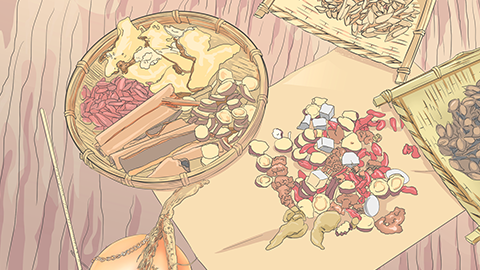
Anxiety disorder is characterized by recurrent or pervasive feelings of panic and anxiety, frequently accompanied by autonomic nervous system dysfunction, muscle tension, and psychomotor agitation. Chronic anxiety—a common form—has an insidious onset and is primarily manifested by excessive worry, tension, and fear, along with certain autonomic symptoms such as dry mouth, palpitations, urinary frequency, and urgency. Acute anxiety disorder, by contrast, typically presents with sudden, intense panic attacks accompanied by a sense of impending doom or loss of control. Patients may experience sensations of imminent death, along with behaviors such as running, screaming, or tachycardia. Its onset is abrupt and its duration relatively brief.
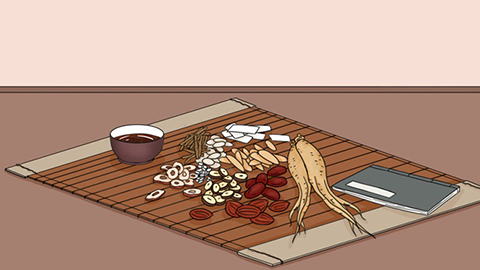
Anxiety disorders arise from a predisposition rooted in one’s prior personality traits and are triggered by either chronic or acute stressors. For instance, prolonged overthinking may reflect an inherited tendency. We hope this information proves helpful to you!


