


What Causes Dysfunctional Uterine Bleeding?

Dysfunctional uterine bleeding (DUB), also known as metrorrhagia, is a common gynecological disorder characterized by abnormal uterine bleeding. It results from systemic functional disturbances and primarily manifests as menorrhagia (excessively heavy menstrual bleeding), menstrual irregularity, prolonged menstruation, and unpredictable intermenstrual bleeding. So, what are the causes of uterine bleeding?
What Causes Dysfunctional Uterine Bleeding?
Dysfunctional uterine bleeding primarily arises from endocrine imbalances—especially excessive estrogen secretion—and consequent endometrial hyperplasia. The menstrual cycle is a highly complex regulatory process governed in part by the central nervous system and the hypothalamic-pituitary axis. Any internal or external factor disrupting the normal regulation of the hypothalamic-pituitary-ovarian (HPO) axis may trigger dysfunctional uterine bleeding.
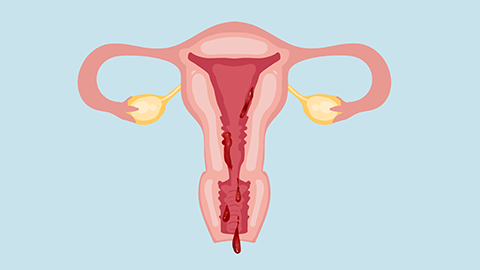
Additionally, psychological factors, a history of emotional trauma, and malnutrition can also contribute to dysfunctional uterine bleeding. Clinical presentations may include amenorrhea followed by sudden bleeding, or irregular, unpredictable bleeding episodes. Some patients may maintain relatively regular cycles but experience shortened intervals between periods, or spotting several days before menstruation begins—while total menstrual blood volume remains unchanged.
Patients are advised to consume nutrient-rich foods such as fish, meat, dairy products, and vegetables, while avoiding spicy and stimulating foods. Cooking vegetables in iron cookware may help increase dietary iron intake and improve anemia. Additionally, maintaining warmth—particularly protecting against cold exposure—is essential to prevent cold-induced blood stasis and excessive menstrual bleeding. We hope this article has been helpful to you.


