


How to Reduce Swelling After a Mosquito Bite

During summer, most people likely experience the annoyance of mosquito bites. A sudden bite can cause a large, itchy swelling—so uncomfortable that one instinctively scratches the area. Some particularly venomous mosquitoes cause even larger swellings. So, how can one effectively reduce swelling and relieve itching after a mosquito bite?
How to Reduce Swelling After a Mosquito Bite
When a mosquito bites, it injects an acidic substance into the skin—this is the primary cause of swelling and discomfort. Applying alkaline substances—such as common soap—can neutralize this acid and help alleviate swelling and pain. Alternatively, applying insect-repellent lotion (e.g., Hu Lu Shui) to the affected area provides rapid relief from itching and swelling. Additionally, the fragrance of such lotions helps repel mosquitoes, keeping them away. Ordinary toothpaste is also commonly used and effective for quickly reducing post-bite swelling and discomfort.
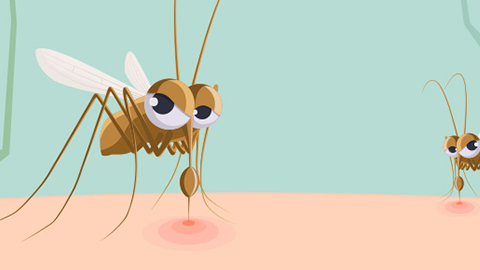
Who is more prone to mosquito bites? Individuals with faster metabolisms; those with darker skin tones (since mosquitoes prefer darker environments); and people who sweat heavily (as blood-feeding mosquitoes detect hosts via olfactory cues). To avoid mosquito bites, the fundamental strategy is to minimize body odors that attract them.

Since mosquitoes can transmit pathogens, scratching mosquito bites should be avoided. Scratching not only intensifies itching but also increases the risk of secondary infection. If swelling and discomfort persist, consult a physician for guidance on appropriate anti-inflammatory or antihistamine medications. We hope this information proves helpful!


