


Efficacy and Functions of the Traditional Chinese Medicine “Dan Zhu Ye” (Lophatherum gracile)

Light bamboo leaf (Lophatherum gracile) is relatively rare in northern China; consequently, some patients are unfamiliar with this traditional Chinese herb. So, what are the medicinal properties and effects of light bamboo leaf?
Medicinal Properties and Effects of Light Bamboo Leaf
Light bamboo leaf possesses heat-clearing and fire-purging effects, promotes diuresis and relieves restlessness, exhibits antibacterial and antimicrobial activity, reduces inflammation, and demonstrates antitumor and anticancer properties. Its taste is sweet and fresh, and it primarily enters the Heart, Stomach, and Bladder meridians. Its principal actions include clearing heat and fire, promoting diuresis, and alleviating restlessness. Additionally, it helps improve blood circulation and eliminate metabolic waste from the bloodstream. Consequently, it can significantly ameliorate myocardial ischemia, reduce the infarct size following myocardial infarction, and offer protective effects against both myocardial and cerebral ischemia. It also serves as an adjunctive therapy for conditions such as hypertension and edema caused by elevated sodium levels.
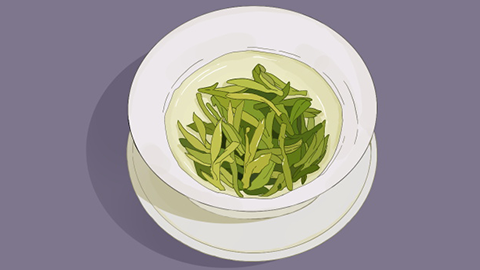
Moreover, light bamboo leaf naturally contains anthraquinones, which possess antibacterial, antimicrobial, and anti-inflammatory properties. These compounds exhibit pronounced inhibitory effects against hemolytic streptococci. Additionally, blue bamboo leaf (a related species) is rich in chlorophyll—a key component responsible for the antimutagenic activity observed in many green plants. Thus, chlorophyll contributes to the herb’s antitumor and anticancer effects.

Any medication—including traditional Chinese herbs—should be used only under the guidance of a qualified healthcare professional. Self-administration of herbal remedies without adequate knowledge may adversely affect health. During treatment, maintain a light, bland diet. We hope this information has been helpful!


