


Which animal transmits dengue fever?
May 30, 2022
Source: Cainiu Health

Dr. Jiang Weimin
Introduction
Dengue fever is transmitted through the bite of the *Aedes aegypti* mosquito. *Aedes aegypti* and *Aedes albopictus* are the primary vectors and may also serve as reservoir hosts for the virus. The causative agent of dengue fever is the dengue virus. After entering the bloodstream via an *Aedes aegypti* bite, the virus replicates within monocytes, macrophages, and lymphocytes, then re-enters the circulation, causing damage to multiple organ systems.
There are many common viruses. Dengue fever predominantly occurs in tropical and subtropical regions, primarily associated with the rainy seasons of summer and autumn and the breeding of *Aedes albopictus* (the Asian tiger mosquito). So, which animal transmits dengue fever?
Which animal transmits dengue fever?
Dengue fever is transmitted through the bite of an infected mosquito—primarily *Aedes aegypti* (the yellow fever mosquito) and secondarily *Aedes albopictus*. These mosquitoes serve not only as primary vectors but may also act as reservoir hosts for the virus. The causative agent of dengue fever is the dengue virus. After entering the bloodstream via a mosquito bite, the virus replicates within mononuclear phagocytes and lymphocytes before re-entering the circulation, leading to systemic organ damage. In typical (non-severe) cases, the prognosis is generally favorable; however, severe dengue can progress to central respiratory failure, with a case fatality rate of 1–5%. Currently, no specific antiviral therapy exists for dengue fever; management remains primarily supportive and symptomatic.
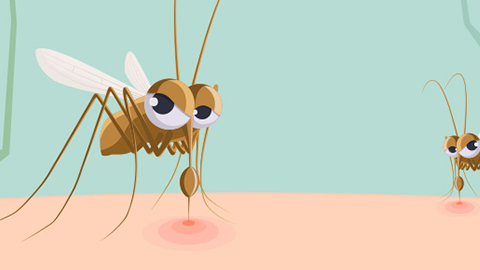
The principal vectors for dengue transmission are *Aedes albopictus* and *Aedes aegypti*. *Aedes aegypti* has a black body with silvery or white scale patterns on its head, thorax, abdomen, and legs—commonly known as the “tiger mosquito” or “mosquito with striped markings.” Dengue patients and asymptomatic carriers serve as the main sources of infection. Dengue virus transmission occurs exclusively via mosquito bites; it cannot be directly transmitted from person to person, nor via airborne or contact routes.

If you suspect infection, seek prompt medical evaluation upon onset of symptoms and follow your physician’s guidance for appropriate management. We hope this information has been helpful!








