What Are the Symptoms of Ataxia?
May 30, 2022
Source: Cainiu Health

Dr. Pan Yongyuan
Introduction
Ataxia affects the muscles of the trunk, limbs, and throat. Initially, when it involves the trunk, abnormalities in posture or gait may occur—such as imbalance in newly established cerebellar blood supply. If the vermis is affected, patients may exhibit unsteady standing and a wide-based, staggering gait; intention tremor becomes particularly evident as the patient approaches a target, and fine motor control is impaired.
Sometimes, you may feel unsteady while standing, experience slowed speech, or notice poor bodily coordination—yet these symptoms may not necessarily indicate ataxia. So, what are the characteristic symptoms of ataxia?
What Are the Symptoms of Ataxia?
Ataxia affects the muscles of the trunk, limbs, and pharynx. When it involves the trunk, postural or gait abnormalities may occur—for instance, imbalance in cerebellar blood supply. If the vermis is affected, patients may exhibit marked instability while standing, a wide-based, staggering gait, and limb ataxia. Intention tremor becomes especially evident as the patient attempts to reach a target, and fine motor control deteriorates significantly.
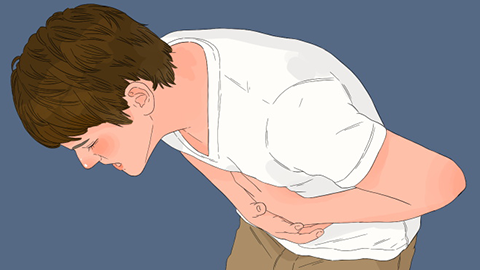
Additionally, speech disturbances may occur—such as “cerebellar dysarthria,” characterized by slow, slurred, staccato, or rhythmically irregular speech, sometimes resembling poetic cadence. Furthermore, when ocular motility is involved, observable eye movement abnormalities (e.g., nystagmus) may be present. These represent some hallmark manifestations of cerebellar ataxia.

Moreover, in sensory (proprioceptive) ataxia, patients often report unsteadiness while standing and walking, describing a sensation akin to “walking on cotton.” They may lack accurate perception of foot placement depth or distance of each step. These deficits worsen markedly in the absence of visual cues. In vestibular ataxia, symptoms such as vertigo, nausea, vomiting, and nystagmus commonly accompany gait instability, with patients tending to veer or fall toward the side of the lesion. We hope this explanation proves helpful!