


How Harmful Is Hepatitis C?

Because the early-stage harm caused by hepatitis C is often subtle—some patients may remain asymptomatic for several years—the disease is highly insidious and difficult to detect. As a result, some patients mistakenly believe that hepatitis C does not require treatment. So, just how serious is hepatitis C?
How Serious Is Hepatitis C?
Hepatitis C poses significant health risks: (1) high propensity to become chronic; (2) high incidence; and (3) strong transmissibility. Hepatitis C virus (HCV) is a hepatotropic virus. Upon infecting the human body, it invades liver cells and establishes a chronic, latent infection. Over time, it causes progressive, chronic liver damage. Consequently, many HCV-infected individuals develop chronic hepatitis C, hepatitis, cirrhosis, or even hepatocellular carcinoma (HCC).
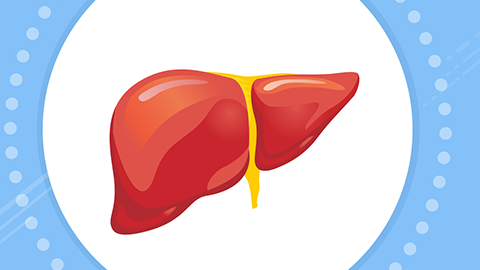
After HCV infection, acute hepatitis C develops. Of those with acute infection, 50%–85% progress to chronic hepatitis C. Among patients infected via blood transfusion, 20%–30% eventually develop cirrhosis; among those with HCV-related cirrhosis, approximately 5% go on to develop hepatocellular carcinoma. Individuals infected with HCV must undergo regular monitoring of liver function, hepatic ultrasound, and viral load.

Individuals diagnosed with hepatitis C should prioritize adequate rest and moderate physical activity in daily life—avoiding factors such as chronic sleep deprivation and excessive mental stress—and engage in appropriate exercise regularly. We hope this information is helpful to you!


